Commission adopts a first-ever EU Visa Strategy
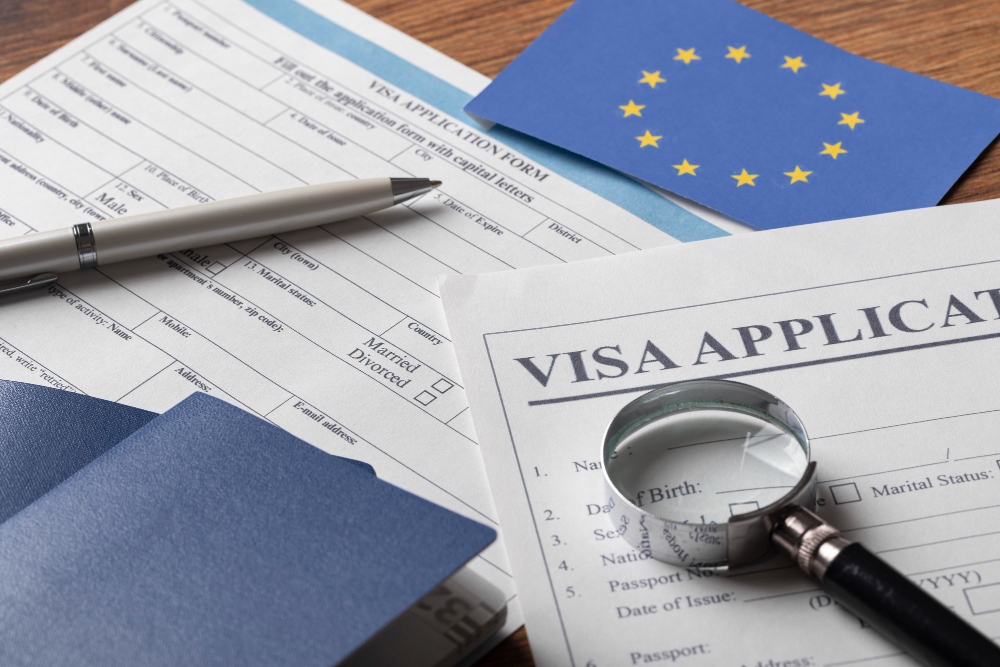
Today, the European Commission is adopting its first-ever EU Visa Strategy. It sets out a framework for a visa policy that is more strategic and that advances the EU’s long-term interests, allowing it to be better equipped for growing mobility as well as the consequences of regional instability and geopolitical competition.
The Strategy aims to make Europe (1) safer, by strengthening the first line of security screening; (2) more prosperous and competitive, by facilitating access for those who contribute to our economies and societies; (3) more influential globally, by advancing the EU’s strategic interests, values, and global standing; and (4) more efficient, through a smarter, modern and coherent visa policy.
Alongside the Strategy, the Commission is adopting a Recommendation on attracting talent for innovation, to make the EU more attractive to highly qualified and skilled professionals, students, researchers and innovative entrepreneurs and to support the EU’s competitiveness in a global context.
The Visa Strategy is built on three key pillars:
- Strengthening the EU’s security
The Strategy puts forward concrete measures to leverage visa policy to advance the EU’s strategic interest and strengthen the EU’s security framework. This includes:
- A modern system for granting visa-free status to partner countries, including a new assessment framework with clear criteria to evaluate potential candidates (in 2026).
- Stronger monitoring of existing visa-free regimes under the reformed Visa Suspension Mechanism to ensure continued compliance and prevent misuses of visa-free travel.
- Stronger visa leverages by upgrading the existing Article 25a mechanism, which allows the EU to take targeted visa measures in cases of lack of cooperation on return and readmission and introducing ad hoc measures to incentivise cooperation on security and against illegal migration. This will be done through a revision of the Visa Code in 2026.
- Possible targeted restrictive visa measures to suspend, refuse or restrict visa applications in response to hostile actions by third countries that undermine EU security, as part of the Visa Code revision, in consultation with Member States.
- New measures to strengthen travel document security to counter fraud, with new harmonised definitions and sanctions at EU level for document fraud.
- Boosting prosperity and competitiveness
Travel and mobility are a major driver of Europe’s economy, with the Schengen area remaining the world’s most visited destination. The Strategy puts forward new measures to support the EU’s global competitiveness, attract and retain talent, and make legitimate travel easier, faster and more predictable for tourists and business travellers, including:
- New digital procedures for both visa-free and visa required travellers: ETIAS will simplify and partly automate pre-departure checks for visa-free travellers, as of Q4 2026. Digital visa procedures will allow visa-required applicants to complete the entire visa application process online.
- Multiple entry visas with a longer validity for trusted travellers, to stimulate economic activity and reward visitors with a proven travel history and a common list of verified companies, to facilitate visa processes for business travellers invited by trusted sponsors.
- Better conditions for talent: exploring possible amendments to EU rules on students and researchers and highly qualified and skilled workers and exploring a targeted EU legal framework for start-up and scale-up founders and innovative entrepreneurs.
- Additional support to non-EU nationals and employers to address challenges related to the visa process through European Legal Gateway Offices.
- Additional EU funding to support visa processing for highly qualified and skilled non-EU nationals.
- Modern visa tools
Every year millions of travellers arrive at the external borders of the Schengen area, either on short-stay visas or from visa-exempt countries. Managing this efficiently requires modern systems that strengthen security while facilitating legitimate travel.
To this end, the EU is deploying advanced digital tools to modernise visa and border management. The EU’s IT systems will be interoperable by 2028, making it possible to query multiple databases at once and through a single, central search, improving information-sharing and preventing visa abuse.
Recommendation on attracting talent for innovation
The Recommendation sets out concrete ways in which Member States can better use their processes to attract and retain students, researchers and highly qualified and skilled workers, startup founders and innovative entrepreneurs in key sectors for the EU’s competitiveness and strategic autonomy.
The recommendations encourage Member States to have simpler and faster procedures for long-stay visa and residence permits through more digitised processes, fewer documents and shorter processing times, easier transitions to work or entrepreneurship from study or research in the EU, improved intra-EU mobility as well as better access to information and stronger coordination between Member States’ authorities, universities, and research organisations.
The Recommendation contributes to the objectives of the Choose Europe initiative focusing on attracting and retaining global research and innovation talent, the Union of Skills, as well as the EU Startup and Scaleup strategy.
