
Council greenlights rules for a more circular automotive sector
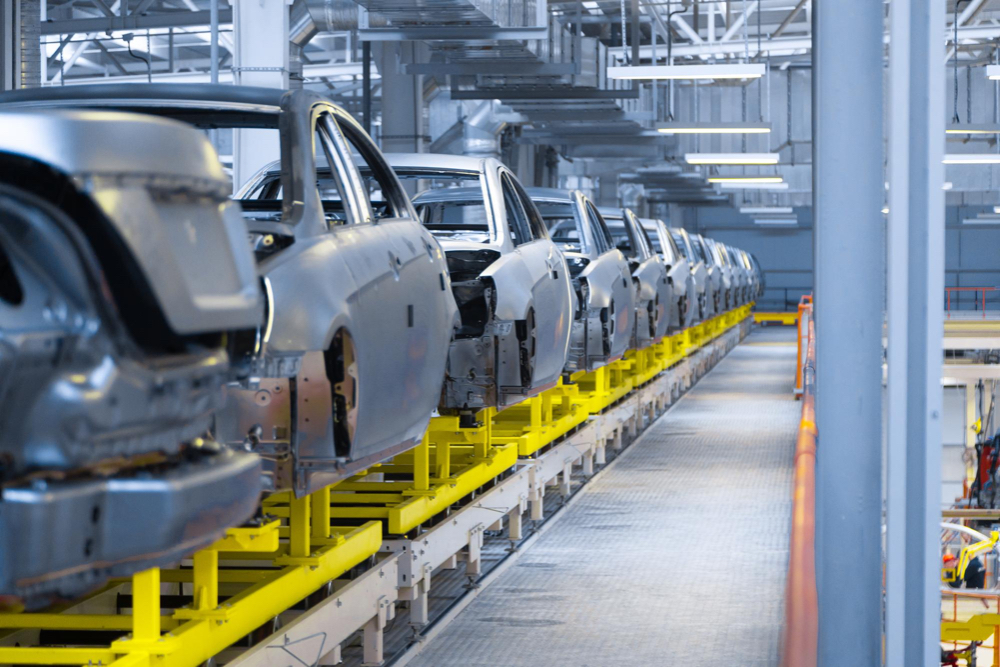
Today, the Council formally adopted the regulation concerning circularity requirements for vehicle design and the management of end-of-life vehicles. The new rules will ensure that new vehicles are designed and produced in a way that supports their re-use, recycling and recovery, in order to make the automotive sector more circular and sustainable.
The new regulation introduces circularity requirements across the entire life cycle of vehicles, from design and production to their end-of-life treatment. After 6 years following entry into force of the new rules, at least 15% of plastic used to manufacture new vehicles must come from recycling, with the ultimate target of 25% recycled plastic within 10 years of the regulation entering into force. Furthermore, a minimum of 20% of this recycled plastic must be recovered from end-of-life vehicles.
Producers will be made financially and organisationally responsible for the entire lifecycle of their vehicles, including when they become waste. This extended producer responsibility covers promoting design for circularity and ensuring the free take-back and proper treatment of all end-of-life vehicles.
The regulation also addresses the issue of ‘missing vehicles’ – those illegally dismantled or exported – by enhancing traceability and control measures. Once a vehicle meets the criteria of an end-of-life vehicle (waste), it must be treated by an authorised treatment facility and cannot be legally exported or resold as a used vehicle.
Furthermore, the regulation bans the export of used vehicles that are no longer roadworthy, ensuring the EU complies with its commitments to not contribute to pollution in third countries and to retain valuable materials within its territory.
The new regulation will fully apply to passenger cars and light commercial vans, whereas heavy-duty vehicles (e.g. trucks), motorcycles and special purpose vehicles (both small and heavy-duty) will be subject to a more limited set of requirements which will especially ensure their proper treatment.
Next steps
This is the final step in the ordinary legislative procedure. The regulation will start applying 2 years after its entry into force. Based on a feasibility study to be finalised one year after the regulation enters into force, the Commission must introduce future targets for other materials such as recycled steel, aluminium, magnesium, and critical raw materials.
Background
Over 6 million end-of-life vehicles (vehicles that reach the end of their life and are treated as waste) are generated in the EU every year. Inadequate management of end-of-life vehicles creates pollution and loss of tonnes of materials. The automotive manufacturing industry is one of the most resource-intensive sectors in the EU and among the largest consumers of primary raw materials but makes insufficient use of recycled materials.
Existing rules have resulted in improved collection of end-of-life vehicles and increased recycling of ELVs to around 85% of the materials that they contain. But further action is needed to address the challenges of vehicle design, recycled content, and the export of polluting vehicles. This regulation builds on the European Green Deal and the circular economy action plan, promoting sustainable practices throughout the automotive value chain.