
Council suspends customs tariffs on certain fertilisers for one year
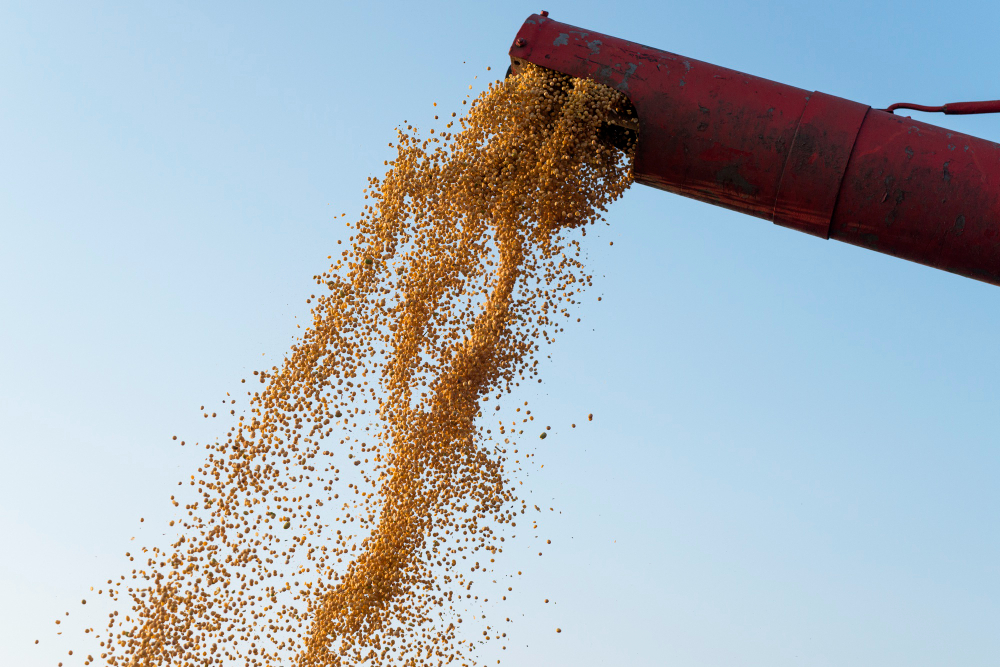
The Council decided today to suspend for one year customs tariffs on key nitrogen-based fertilisers used in agricultural production in the EU, including fertiliser inputs such as urea and ammonia.
The measure aims to lower costs for EU farmers and fertiliser industry – saving them an estimated €60 million in import duties, according to the European Commission. It will also reduce the EU’s dependency on Russia and Belarus for fertiliser products and help build a more diversified trading network in this area.
In practice, the suspension will apply only to products not already imported into the EU duty-free from countries that have preferential access under most favoured nation (MFN) tariffs. However, to balance the interests of EU producers, the measure is limited to a quota of goods equal to the volume of MFN imports in 2024 plus 20% of the volumes imported from Russia and Belarus in the same year.
The EU has decided that the suspension will not apply to products imported from Russia due to its unprovoked and unjustified war of aggression against Ukraine. Nor will it apply to products imported from Belarus given its support for Russia, and its disregard for international law, fundamental freedoms and human rights.
Next steps
The measure will enter into force the day after its publication in the EU’s official journal and will apply until one year later. The Commission is expected to monitor the fertiliser market and, if necessary, propose the extension or the modification of the suspension.
Background
Fertilisers are essential for European farmers who need a secure and regular trade flow at competitive prices to guarantee agricultural production and food security. Prices of those products have increased substantially since 2021, in turn increasing the price of food and putting the agricultural production under pressure.
In 2024, the EU imported 2 million tonnes of ammonia and 5.9 million tonnes of urea, notably to produce nitrogen fertilisers. In addition, the Union imported 6.7 million tonnes of nitrogen-based fertilisers and mixtures containing nitrogen.
The EU already imports a significant portion of nitrogen-based fertilisers duty-free from countries benefitting from preferential access to the Union market. Despite this, the Union still imports a large volume of these goods originating in countries subject to the common customs tariff, with customs duty rates currently ranging between 5.5% and 6.5%.
