
European grids package: Council backs modernised energy network for decarbonisation
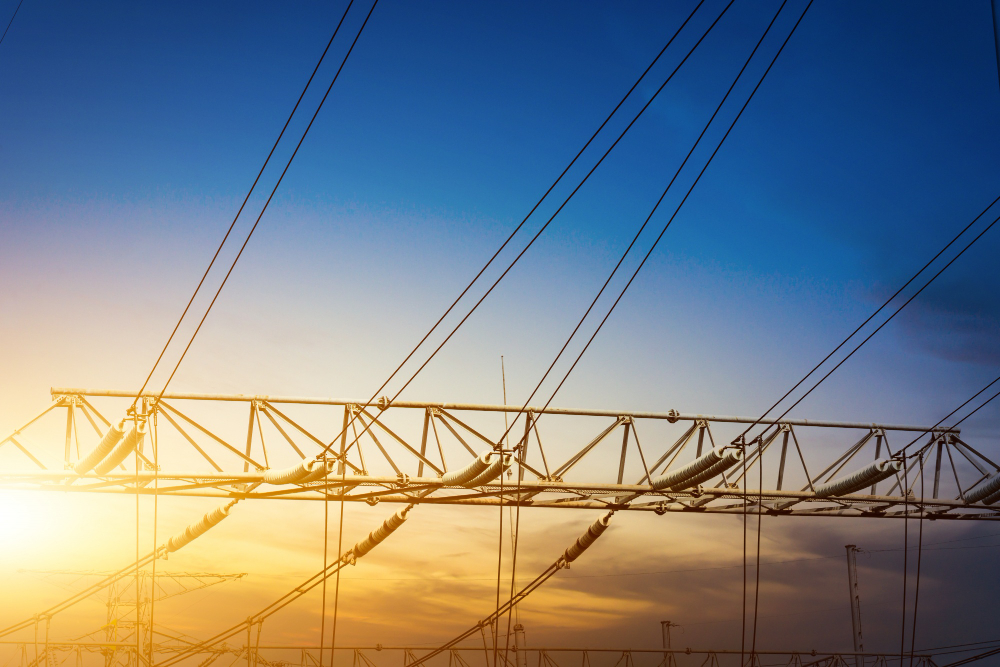
Today, member states agreed the Council’s negotiating position on the European grids package, comprising a revision of the trans-European energy infrastructure (TEN-E) regulation and a permitting directive. The package aims to address the urgent need to modernise and expand Europe’s energy infrastructure in order to accelerate electrification and decarbonisation.
The Council’s position focuses on improving cross-border energy infrastructure planning, streamlining and accelerating permit-granting, and ensuring a more secure and resilient energy network.
“Today’s agreement paves the way for Europe’s electrification towards achieving climate neutrality. By fast-tracking permitting and enhancing interconnections – including ending energy isolation for member states – we are securing affordable, clean energy and bolstering energy security for all European citizens. By delivering on this important and strategic package, the Cyprus presidency has put in practice the motions of its motto ‘An autonomous Europe, open to the world’.”
Michael Damianos, Minister for Energy, Commerce and Industry of the Republic of Cyprus
Energy infrastructure planning: a coordinated approach
The Council supports a common framework for network development planning across the electricity, hydrogen and gas sectors. This would involve a central scenario to be developed by the Commission and based on input from member states and stakeholders, in order to identify and address long-term infrastructure gaps and bottlenecks.
The Council’s position clarifies that the central scenario will take into account national energy and climate plans, regional specificities, and disparities in energy prices. It will be accompanied by sensitivity analyses conducted every two years to address market developments and pressing needs in energy infrastructure.
Use of congestion income for better interconnections
Member states agreed to reinvest a portion of unspent congestion income – funds from grid bottlenecks between different areas where electricity is traded, also known as bidding zones – into cross-border projects aimed at reducing congestion, in order to ensure their predictable funding.
According to the Council’s position, this rule does not apply to income from bidding zone borders within a country or funds collected before the regulation enters into force. A phased increase in the congestion income allocation is also introduced (5 percentage points per year), starting at 10% as of 1 January 2028, until it reaches 25% by 2031. If not spent, such funds will be made available after eight years for member states to use them according to EU existing rules on electricity market.
Security and resilience
Recognising the increasing number of intentional disruptions (sabotage, physical or cyber-attacks), energy ministers established a new category of priority projects dedicated to security and resilience of the existing electricity infrastructure. This will enable funding for critical components for emergency repairs of electricity interconnectors.
Faster permitting
Energy ministers endorsed the need for faster and more transparent permitting procedures, including the creation of digital portals for simplified applications and designating electricity and renewable energy projects as being of overriding public interest(unless proven otherwise), prioritising their approval.
To further expedite the process, member states may decide that a lack of reply from authorities in intermediary steps of permit granting is deemed as tacit approval.
Member states will endeavour to avoid the exclusion of renewable energy development in large areas, to accelerate the rollout of renewables through a streamlined and simplified procedure.
The Council’s position also includes measures on citizens engagement in renewables projects, such as promoting dialogue through an independent facilitator and benefit-sharing to nearby local communities.
Next steps
The Council, under the Irish presidency, will initiate negotiations with the European Parliament, once the latter adopts its position. The aim is to reach a final agreement on the legislation as soon as possible in 2026.
Background
The European grids package was proposed by the European Commission in December 2025, to address the low interconnectivity among member states and to make the EU’s energy network fit for climate neutrality.
The European Council, in its conclusions of 19 March 2026, called “on the co-legislators to agree, in 2026, an ambitious grids package”. The package is also included in the “One Europe, One Market” roadmap aiming to boost competitiveness and reduce energy prices.
