
MEPs back new rules to encourage EU competitiveness in space
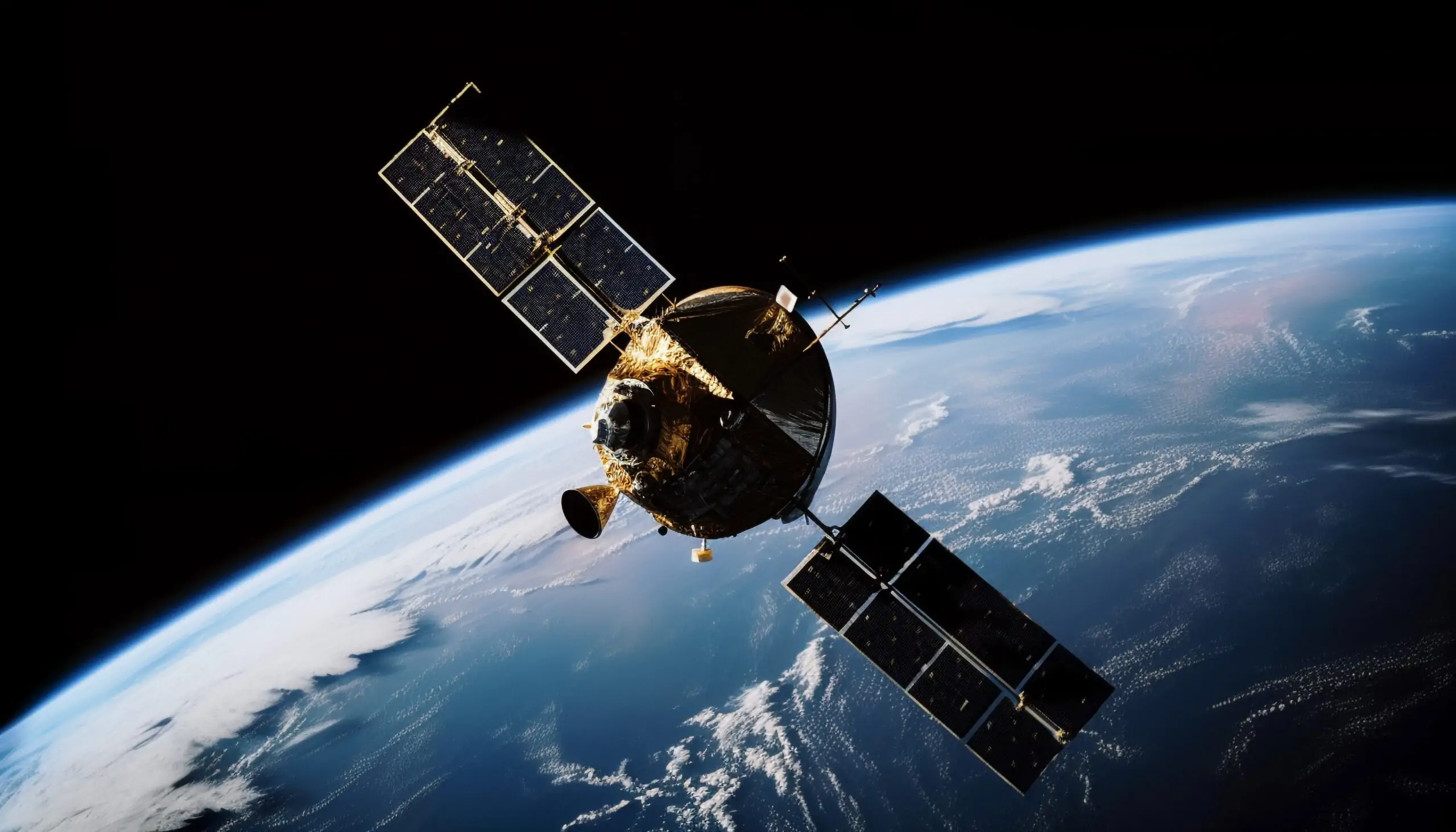
On Thursday, Industry Committee MEPs agreed to boost European sovereignty and competitiveness in space-based activities.
The Industry, Research and Energy Committee endorsed a report on the proposed EU “Space Act”, which aims to create a single market for space-based activities and address three main challenges: safety (managing congestion in space and the risk of orbital collisions), the security and resilience of space assets (including cybersecurity), and sustainability (reducing the amount of space debris and light pollution).
Committee MEPs back the setting up of an EU space resilience network, which would share information on threats and best practices. They propose integrating directly into the scope of the existing NIS2 Directive on cybersecurity.
Support to smaller players
On the basis of the position adopted by MEPs, a common methodology would be established to calculate the environmental footprint of space missions, on earth and in space, throughout their life-cycle. MEPs propose exempting SMEs from the scope of these measures and ask the Commission to publish a study on the climate impacts of the space sector and on possible measures and technological pathways to reduce it.
They also suggest creating new structures to support smaller actors in the industry: a dedicated space sector competitiveness support helpdesk within the EU’s Agency for the Space Programme (EUSPA).
Level playing field with third country operators
Committee MEPs also want to ensure a level playing field between EU and non-EU space operators. They propose tightening the rules on equivalence decisions with so-called “third countries”, by making them time-limited to four years, renewable once for one year, and made explicitly conditioned on reciprocal market access for EU operators.
They say that Europe’s launch capabilities must be reinforced, and that the EU is too dependent on third parties. The EU should, MEPs say, invest in European launch capabilities and expand its access to space. Derogations for using third-country launch operators would have to be granted on a launch-by-launch basis, in the public interest.
Quote
“We are building a genuine single market for space activities, where EU companies can operate and grow across borders with fewer obligations and more legal certainty. The text rests on three pillars: safety, resilience, and sustainable long-term support. We want to cut red tape and make the rules proportionate for SMEs, midsize companies and research institutions. Competitiveness also means fair competition: non-EU operators will have access to our market only on the basis of reciprocity,” said lead MEP Elena Donazzan (ECR, Italy) said.
Next steps
The draft report was adopted with 72 votes to 1, with 2 abstentions. With the same majority, MEPs also voted to start negotiations with Council. Once notified to the plenary at a future session and without further objection, committee MEPs will be able to start negotiations.
Background
The continuity of space services is endangered by congestion in the space domain. According to recent data, the number of operational satellites in orbit around Earth doubled between 2020 and 2023, reaching more than 9,000. Besides those operational satellites, the European Space Agency estimates that more than 12,400 tonnes of space objects are orbiting around Earth.