
Press point by President von der Leyen together with Commissioners Dombrovskis and Kubilius on an Instrument for Coordinated Support to Ukraine
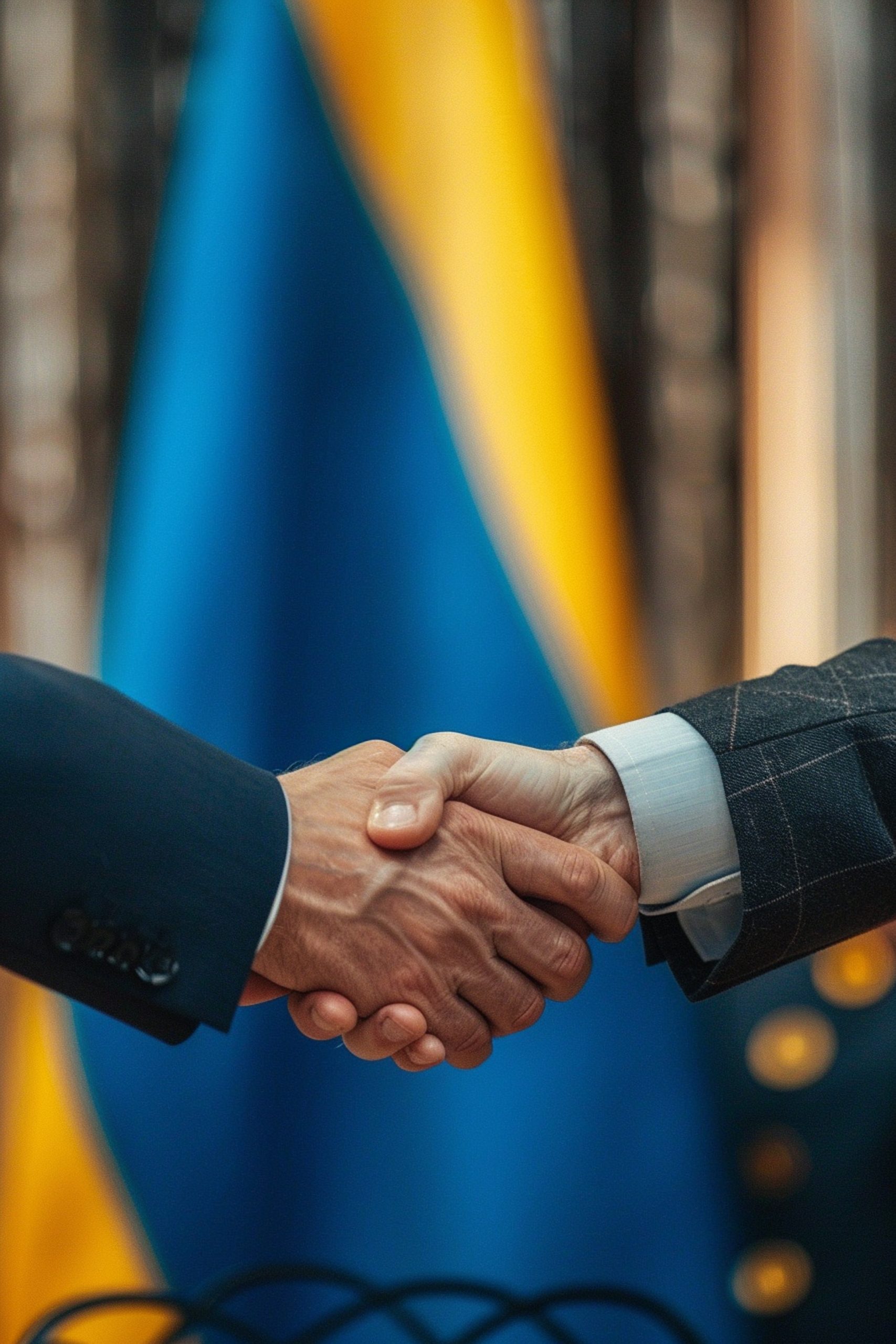
Thank you very much, good morning,
We had a very productive European Council in Ireland last week. The support to Ukraine was one of the key topics. Among others, leaders have agreed to two work strands: first, the European Union will engage in the peace talks through the format that has been established in Dublin – E5 plus institutions. Our aim is to engage in efforts to secure peace, to work for a sovereign, secure and prosperous Ukraine and to safeguard European interests. And here I must reemphasise that no one wants peace more than the people of Ukraine, and we stand by them. The second work strand, at the same time, we will not only ensure maximum support for Ukraine but also put maximum pressure on Russia.
Today, we want to focus on our continued support for Ukraine. For 2026, the financial needs of Ukraine are covered. That is good news. We have consistently disbursed money to keep the Ukrainian state running and to help protect the people and the infrastructure Russia is targeting. And this support has been vital. At the same time, Ukraine is making remarkable progress on reforms, while defending itself from the attacks done by Russia.
In the accession process, we are on track to open the last two clusters this year. This is important for Ukraine too. But for 2027, our assessment is that there is a funding gap of €70 billion. So today, we are proposing an Instrument for Coordinated Support to Ukraine, as we call it. This instrument will provide €45 billion in 2027. We think this is the best way to give Ukraine a strong hand at the negotiation table. And Ukraine only needs to repay once Russia pays for the damage it has caused in Ukraine. Now, if we look at this loan, it will cover two thirds of the gap next year. It includes two parts: €20 billion for budget support and €25 billion for military needs. The budget support will keep essential civilian services running, it will keep schools and hospitals operating. And the military support will give Ukraine the means to defend itself. The loan will also ensure that Ukraine will stay the course on reforms. And at the same time, the loan will contribute to a further integration of the Ukrainian and European defence industry. Most importantly, this support will give Ukraine the predictability it needs. And of course, we will continue to ask other external partners to step up their efforts. You recall, we covered two thirds, so another third has to be covered by the external partners. And I look forward to the next European Council next week – where I will present this proposal.
Tomorrow in Berlin, we will discuss this proposal also with our partners in the Coalition of the Willing. We will also take stock of the latest peace efforts, as we move towards multilateral talks. In parallel, our work continues on our 22nd package of sanctions which we will present next week. Sanctions work. They are not inflicting a sudden blow to the Russian economy, but they erode its foundations. And we have many indicators by now that point to a worsening outlook for the Russian economy and real difficulties. To conclude, we are sending a clear message to Russia. We want peace. Five years since the start of this war of aggression, Europe stands united. We are as committed as ever to support Ukraine, in war and in peace.