
Record number of wildfires in 2025 calls for stronger EU action
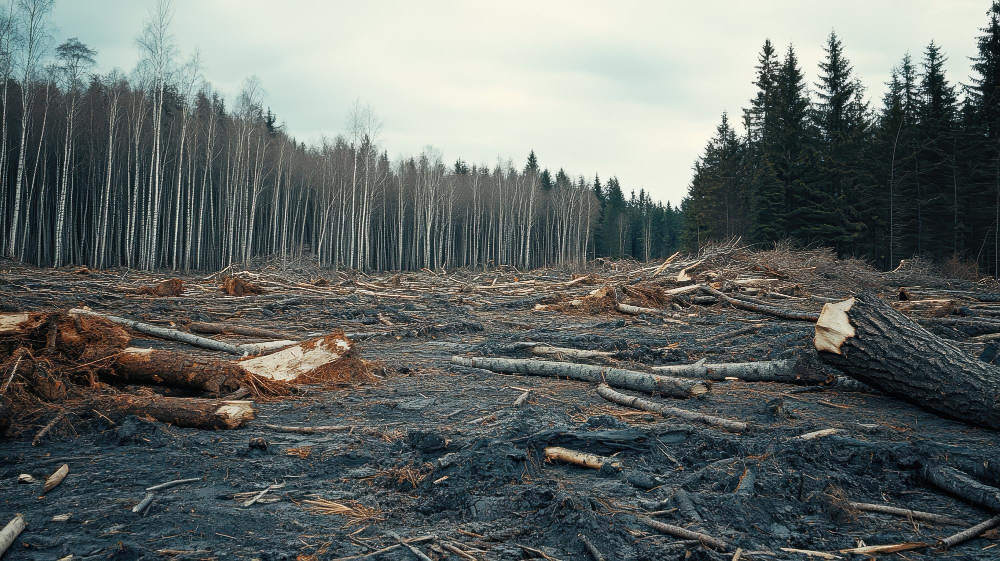
The European Union experienced its most devastating wildfire season on record in 2025, with over one million hectares of land burnt – an area roughly the size of Cyprus – according to new data from the European Forest Fire Information System (EFFIS), managed by the European Commission’s Joint Research Centre.
EFFIS satellite monitoring revealed that 7,783 wildfires swept across 25 EU countries. The season began unusually early, with more than 100,000 hectares already destroyed by the end of March. The situation worsened dramatically over the summer, particularly in the Mediterranean, where a prolonged August heatwave sparked 22 major fires in Portugal and Spain alone, burning 460,585 hectares – nearly half of the EU’s total burnt area.
Beyond the EU, wildfires ravaged 2.2 million hectares across Europe, the Middle East, and North Africa, with Ukraine suffering the most severe impact, accounting for 30% of the total burnt area and 39% of all fires tracked by EFFIS.
The 2025 wildfire season underscored worrying new patterns: earlier and longer fire seasons, with blazes starting as early as March; more frequent and intense heatwaves, fuelling extreme fire behaviour; and wildfires spreading to higher latitudes, affecting regions previously considered low risk.
This record-breaking season is not an outlier, but a call for a stronger, more coordinated European response. On 25 March 2026, the European Commission adopted a new strategy to tackle rising wildfire threat covering the full disaster risk cycle – prevention, preparedness, response and recovery – and setting out concrete actions at both EU and national levels. The strategy promotes fire-resilient landscapes through sustainable land management and nature restoration, strengthens early warning and monitoring through EFFIS and Copernicus, and boosts firefighting capacity through an EU firefighting aircraft fleet, the pre-positioning of firefighters, and a new European firefighting hub in Cyprus. It also addresses population preparedness, post-fire recovery, and the integration of wildfire risk into EU funding frameworks. With this strategy, Europe is adapting to a wildfire risk that is no longer seasonal, but structural.
