Speech by President von der Leyen at the European Parliament plenary debate on Europe’s role and capacity to protect the international order and secure a just and lasting peace for Ukraine
Dear Vice-President, dear Sabine,
Honourable Members,
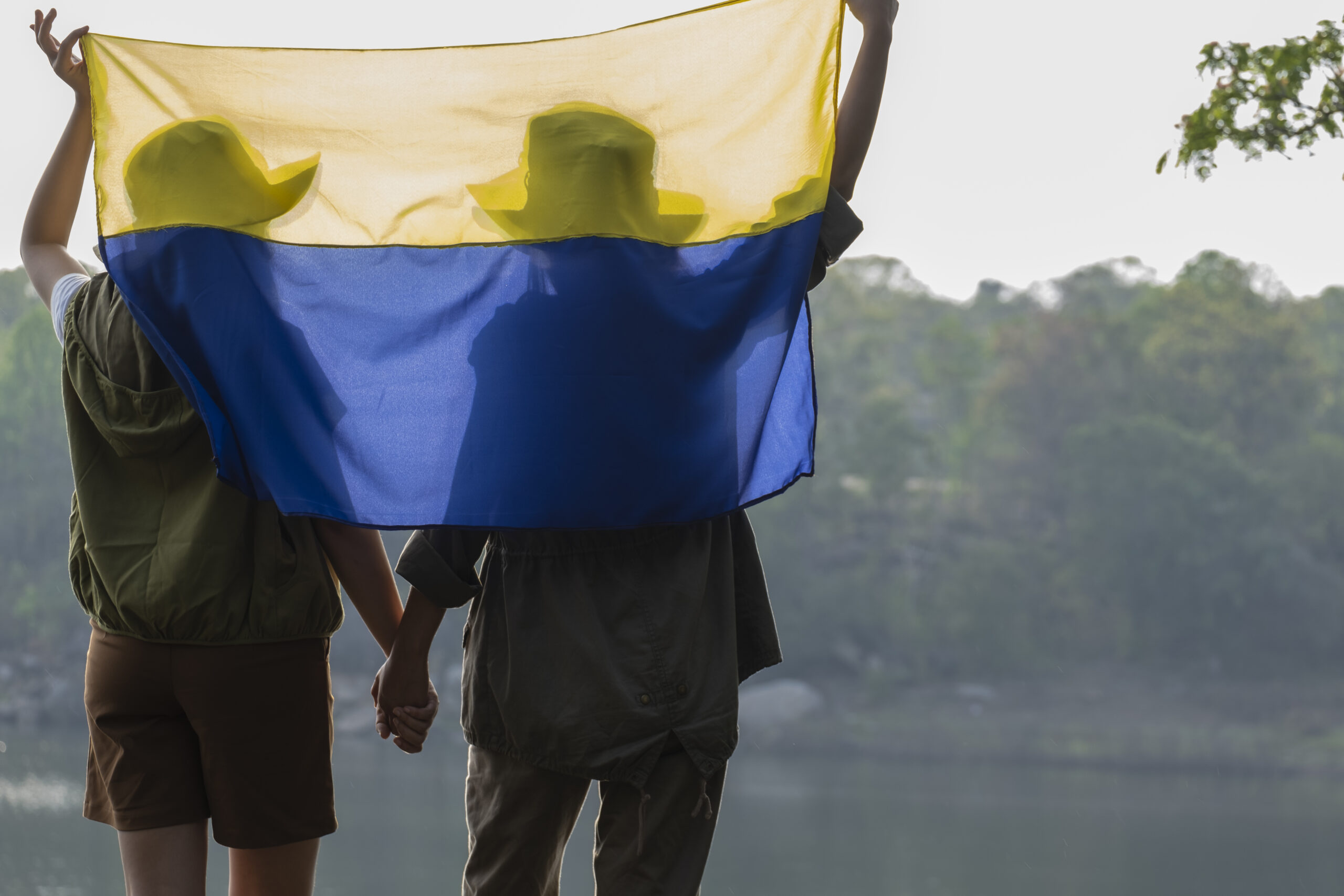
Almost five years ago, Russia launched its full-scale invasion of Ukraine. It has already lasted longer than the First World War. Children born when Russian tanks first crossed Ukraine’s borders are now reaching school age. For them, war is the only reality they have ever known. For these children’s sake, the war must end!
Russia is also paying an increasingly heavy price for its war. On the battlefield, its offensive has stalled. In September and October, Russia lost more territory than it gained. And even this came at an enormous human cost. More than 50 000 casualties in October alone.
And yet, Russia has intensified attacks on Ukrainian cities. It struck infrastructure more than 1 000 times since September. Power stations, heating systems, water supplies; the services that families depend on to get through the winter. Putin cannot break Ukraine’s resistance on the battlefield. So instead, he tries to break Ukraine’s spirit. He will not succeed. The Ukrainian people will continue to stand tall. And Europe will continue to stand with them, in war and in peace.
Honourable Members,
In recent weeks, we have seen renewed momentum in efforts to end the war. No one wants peace more than the people of Ukraine. And Europe will do everything we can to help them achieve it. Our approach has two elements. First, maximum support for Ukraine, combined with maximum pressure on Russia. Second, full European engagement in negotiations for a lasting peace.
Let me start with our support for Ukraine. Europe is by far Ukraine’s largest backer. Since the beginning of the war, we have provided more than €235 billion. Behind this number are real people and real lives. Think again of the Ukrainian children starting school, millions can still do so thanks to European support. Let me give you just one example. Lukashi is a small village outside Kyiv. In the early days of the invasion, a Russian attack damaged its only school. This year, thanks to European support, its doors reopened. Hundreds of children can again learn together in their own village, with better facilities and more protection. This is one school, in one village. But it shows what European support really means. Every day of a child counts.
So, our financial support allows hospitals to run and public services to function. Our military assistance provides drones and interceptors to protect Ukrainian lives. And our reconstruction efforts help repair what Russia destroys.
Honourable Members,
Let us have a closer look at the financial support. Ukraine’s financial needs for 2026 are covered, but more is needed. Next year, Ukraine faces a gap of around €70 billion. That is why last week, we have put forward a new proposal: the Instrument for Coordinated Support to Ukraine. It will provide €45 billion in 2027. Europe is covering two thirds of Ukraine’s financing needs, €20 billion for budget support and €25 billion for military support. The last third has to be covered by international partners, so we will work with them to close the remaining gap. Importantly, Ukraine will only have to repay once Russia has paid for the damage of its war, so Ukraine can go into peace talks with the strongest hand possible.
Honourable Members,
Our support for Ukraine goes hand in hand with pressure on Russia. Sanctions remain our primary tool to increase the cost of Russia’s war in Ukraine. Sanctions do work, they erode the foundations of Russia’s war. And we have many indicators pointing to a worsening outlook for the Russian economy.
That is why, on Monday, we adopted our 22nd sanctions package.
Let me highlight a few key measures. First, financial services. We extend the transaction ban to some 60 Russian banks and crack down further on crypto and payment networks. Second, energy. We expand the energy services ban, so European companies can no longer help Russia develop or maintain its energy infrastructure. And we step up action against Russia’s shadow fleet. We have listed more than 70 ships, and we propose to ban all tankers insured in Russia. Third, we now propose to activate an EU visa ban for anyone who is serving or has served in Russia’s Armed forces. Since the beginning of Russia’s war of aggression, we have seen an increase in Russian hybrid activities across Europe. And those who fought in Russia’s war pose a potential security risk. We cannot allow them to wander freely across our countries. Fourth, we prohibit Europeans from holding positions on the governing bodies of companies in Russia. Because let me be clear – there can be no business as usual in our economic relations with Russia.
Finally, sports and culture. We will ban Russian teams and athletes from competing under the Russian flag at sporting events in the EU. And we will restrict Russian sponsorship of European sporting and cultural organisations. Because sport and culture must never become instruments of Russian propaganda.
Our objective is clear, we are increasing Russia’s cost of continuing this war and strengthen the case for Russia to choose peace.
Honourable Members,
Our efforts serve one purpose, we must give diplomacy the best chance of success. In recent weeks, we have seen renewed momentum in peace negotiations. A strong European team will participate in the next round of talks. That matters because Ukraine’s security has a direct impact on our security. We will continue to support Ukraine and safeguard our interests. We will judge progress based on Russia’s actions – not simply its words. As discussed at last week’s Coalition of the Willing meeting, Russia should agree to a winter ceasefire on energy infrastructure and to a truce to ensure the safe passage of food exports through the Black Sea. These would be important steps, because it would show that Russia is serious about negotiations.
Honourable Members,
Peace is not only about ending the conflict. It must also help Ukraine build the future the people of Ukraine have fought so hard for. That is why Europe will lead on Ukraine’s post-war recovery and reconstruction. Here, we have started to lay the foundations.
And we all must acknowledge that, even under the immense pressures of war, Ukraine has continued to reform. It has strengthened its institutions and taken important steps towards its European future. So, we are on track to open the final two clusters of accession negotiations still this year.
This is a clear message to the people of Ukraine: we belong together! Our message to Russia is also clear: Europe wants peace. A peace that can last, a peace that protects Ukraine’s sovereignty and a peace that provides guarantees for its long-term security. Or in simple terms: a peace that gives those children who have known nothing but war the chance to grow up in freedom.
Thank you, Honourable Members, for your continued support. And long live Europe.
