

Amidst ongoing geopolitical unrest, the 2019-2024 EU legislative term is drawing to a close as EU elections loom on the horizon. While election pools appear more frequently, research, commentaries and opinion pieces are increasingly centred around recent legislative achievements and future challenges, such as the question of the EU’s competiveness and the AI Act. The questions of a unified European defence and foreign policy and the progression (or regression) of the European Green Deal, are also pivotal discussions regarding the future of the EU. Being not prominently featured in the public discourse, the dynamics of Europe-China relations simmer, for the time being, beneath the surface.
In “A plea for European pragmatism”, an opinion piece published by the Clingendael Institute, Professor Adriaan Schout highlighted how with the approaching European Parliament elections in June, the concept of “integration” will take the centre of the stage of the EU public discourse. The publication emphasised that integration-related issues are compelling the EU to demonstrate its value, while leading to divisions among voters. According to the author, crucial themes for the upcoming campaigns include maintaining EU strength in turbulent geopolitical times, the role of enlargement, the balance of member state influence on EU policy, European defence and addressing climate and environmental degradation. The opinion piece also stressed the importance of EU competitiveness, given the heavy investment-driven policies put forward by other global actors, such as the US and China, in their respective industrial strategies. The questions of migration and diversity policies were also mentioned as persistent challenges.
Whereas, a commentary from the German Institute for International and Security Affairs (SWP) questioned how Eurosceptic and far-right parties are positioning themselves in foreign and security policy and concluded that “a closer look shows that geostrategic issues remain a cleavage point that is contributing to the fragmentation of the far-right spectrum” as “their positions fluctuate between a transatlantic orientation and clear support for Ukraine[..] to fundamental opposition with an anti-Western stance”. Indeed, election polls and projections are clearly indicating that the right wing of the EU Parliament will increase its weight, but it is often debated what will be the actual impact on the whole set of EU policies, with special regard to the questions emerging from the war in Ukraine and how the EU defence and climate-related policies should evolve.
On the topic of defence, ahead of the 22nd and 21st of March European Council, an insight from the Centre for European Reform (CER) was dedicated to the increasing EU efforts to foster the military-industrial capacity made in the last few years and the new proposals of the European Commission, namely the European Defence Industrial Strategy (EDIS) and the accompanying proposal for a European Defence Industrial Programme (EDIP). The author, at the end of a detailed analysis, observed that “the possibility of Ukraine’s defeat has already given EU defence debates greater momentum. A Trump victory in the US presidential election in November will worsen fears that Ukraine will be overrun and that an emboldened Putin could then test NATO’s defences. That might be enough to persuade Europeans that it is time for greater investment in EU defence tools”.
Notably correlated to the domain of the defence industry, Finabel dedicated a publication on the establishment of a legal framework for an EU-wide space law. The publication indicated that, recently, the European Union has acknowledged the necessity of establishing a comprehensive regulatory framework for space. This recognition has been reflected in the dissemination of various documents, strategic initiatives, and legislative measures at EU and national level, including issues such as the proliferation of satellites, the risks associated with congestion and collisions and the security threats directed towards space assets.
Regarding technology-related questions, according to several observers, the adoption of the AI Act marked a significant milestone in regulating artificial intelligence in the European Union and beyond, as it aims to ensure ethical and accountable deployment of this new technology. The European Commission’s Executive Vice President Margrethe Vestager published a commentary on Project Syndicate (PS) affirming that the new act/legislation represents a proactive step towards safeguarding fundamental rights, promoting innovation and fostering trust in AI systems among citizens and businesses. She also added that global policymakers and regulators confronting the latest advancements in artificial intelligence can draw valuable insights from the European Union’s approach as a foundational framework for achieving a balance between freedom and safety, Indeed, “the key is to focus not on the technology but on the risks likely to accompany its various uses” she stated.
On the same note, the commentary “AI is political – let’s use it to really transform society” from the Centre for European Policy Studies (CEPS) goes further. The author encourages understating the nature of artificial intelligence, while addressing the question of a value-driven development of this technology in favour of societal and environmental well-being, such as sustainability, peacebuilding and the strengthening of democracy, as well as the fostering of equality opportunities for business and citizens in Europe and globally. The author concluded that “the political nature of AI should be taken seriously” and that “it must be addressed accordingly when designing global and EU AI governance and promoting innovation in this crucial domain”.
On the question of energy and the EU neighbourhood, the European Council on Foreign Relations (ECFR) published a policy brief on how the EU can enhance energy sovereignty through cooperation with Ukraine and Moldova. The publication starts from the consideration that “since the beginning of Russia’s war on Ukraine, strengthening energy sovereignty has become one of the most strategic foreign policy goals of the European Union, its member states, and many other countries”. The author noted that the EU can diminish its reliance on external providers of fossil fuels by enhancing its renewable energy capacity along with that of its eastern neighbours, while improving energy efficiency. The European Commission’s external energy strategy integrates these objectives, emphasizing that EU initiatives should address both immediate requirements and long-term objectives aligned with the implementation of the European Green Deal, the author added.
As global enthusiasm for hydrogen has swiftly increased, the topic of Europe’s energy cooperation with the African continent was tackled by the European Centre for Development Policy Management (ECDPM) analysis, which questioned whether the hydrogen economy could revolutionise industrialisation in Africa or if it merely represents a form of “extractivism” disguised as green initiatives. The publication also delved into recent advancements in green hydrogen production for export and industrial applications and evaluated the potential contributions of African economies to the broader hydrogen economy landscape. Indeed, the authors highlighted that the hydrogen economy “calls for an in-depth understanding of the political economy of industrialisation in developing countries and how they can position themselves in new and emerging global value chains”.
As far as China is concerned, a briefing from the French Institute of International Relations (Ifri) considered the reason behind the fact that the Chinese fintech industry has failed to reshuffle international finance, notwithstanding the possibility of turning “its stunning domestic digital payments innovation into the first serious threat to U.S. financial dominance in recent memory”. After reviewing case studies and technical analyses, such as the ones concerning blockchain technologies and central bank digital currencies (CBDCs), the briefing asserted that, despite the benefits offered by these new technologies in cross-border applications, they still fall short in comparison to the scale and network advantages of U.S. dollar-based systems. However, the author also notes that “still, the U.S. and its allies should not be complacent, and they should be careful about the global perceptions of their sanctions”. Indeed, he highlighted the importance of the nexus between competition in financial economics and geopolitical confrontation by stating that, although “technology alone cannot remake payments, technology plus concerns around sanctions could increase the willingness of more countries to invest in alternative payment systems that might not otherwise make economic sense”.
From our Editorial Partners
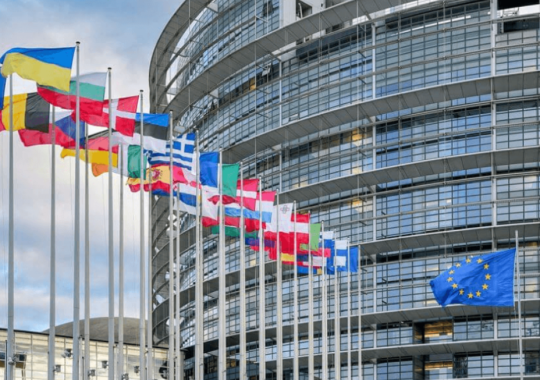
A plea for European pragmatism | Clingendael Institute
How to ensure a powerful EU in these turbulent geopolitical times? Is further enlargement the solution, or precisely not? And how much of a say should member states have regarding EU policy? Adriaan Schout sees ‘integration’ becoming a prominent theme as we head towards European Parliament elections in June.
Geostrategy from the far right | German Institute for International and Security Affairs (SWP)
Far-right parties are gaining support across Europe. Their level of participation in national governments is increasing, and they are expected to make further gains in the European Parliament elections in June 2024. As their influence over European Union (EU) policy rises, it is imperative to assess how they are positioning themselves on crucial dimensions of EU foreign and security policy.

The EU's defence ambitions are for the long term | Centre for European Reform (CER)
The Commission’s new proposals to strengthen Europe’s defence industry will be hamstrung by limited funding and member-states’ doubts. But in the long term, the EU’s role in defence will probably grow.

An EU Space Law on the horizon: Decoding legal foundations and navigating policy frontiers | Finabel
In recent years and through the dissemination of documents, strategic initiatives, and legislative measures, the European Union recognised the need for a substantial space regulation framework that would ensure responsible and sustainable activities in outer space.

How to think about AI policy | Project Syndicate (PS)
As policymakers and regulators around the world grapple with recent developments in artificial intelligence, they should look to the European Union for a basic model of how to balance freedom and safety. The key is to focus not on the technology but on the risks likely to accompany its various uses.

AI is political – let’s use it to really transform society | Centre fro European Policy Studies (CEPS)
AI will definitely shape our far-off future but it’s also already shaping our society today. Having regulation is crucial, but we must also shape innovation to match our aspirations. To succeed, it is crucial to understand the nature of this technology.
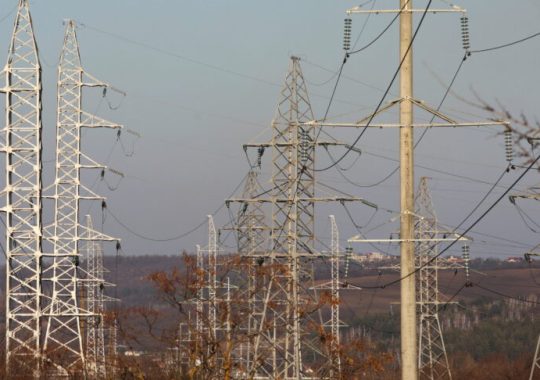
Energising eastern Europe: How the EU can enhance energy sovereignty through cooperation with Ukraine and Moldova | European Council on Foreign Relations (ECFR)
Since Russia’s full-scale invasion of Ukraine, the EU has made strengthening energy sovereignty – its own and that of its eastern neighbours – a strategic priority. Along with Ukraine and Moldova, the EU has created an elaborate legal and institutional framework that provides a platform for energy cooperation.
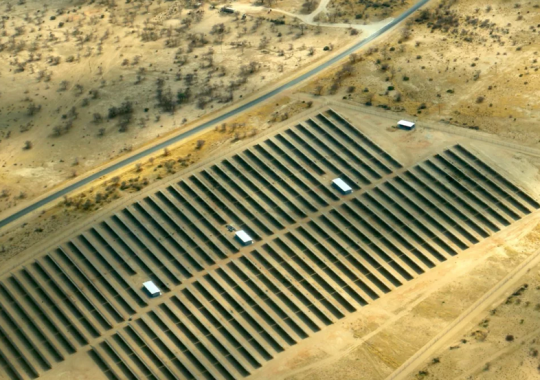
Green hydrogen: The future of African industrialisation? | European Centre for Development Policy Management (ECDPM)
As the world crosses peak hydrogen hype, how can African countries maximise the industrial and economic development opportunities while minimising the risks? Can the hydrogen economy be a game-changer for African industrialisation and job creation, or is it extractivism under a green veil?
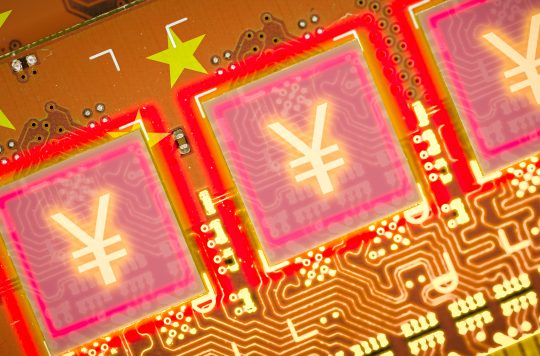
Why Chinese fintechs have failed to reshuffle international finance | French Institute of International Relations (Ifri)
China is a financial technology leader that once looked poised to turn its stunning domestic
digital payments innovation into the first serious threat to U.S. financial dominance in recent memory. However, new Chinese financial technologies, including unparalleled electronic payment systems, have so far failed to threaten U.S. financial dominance.