
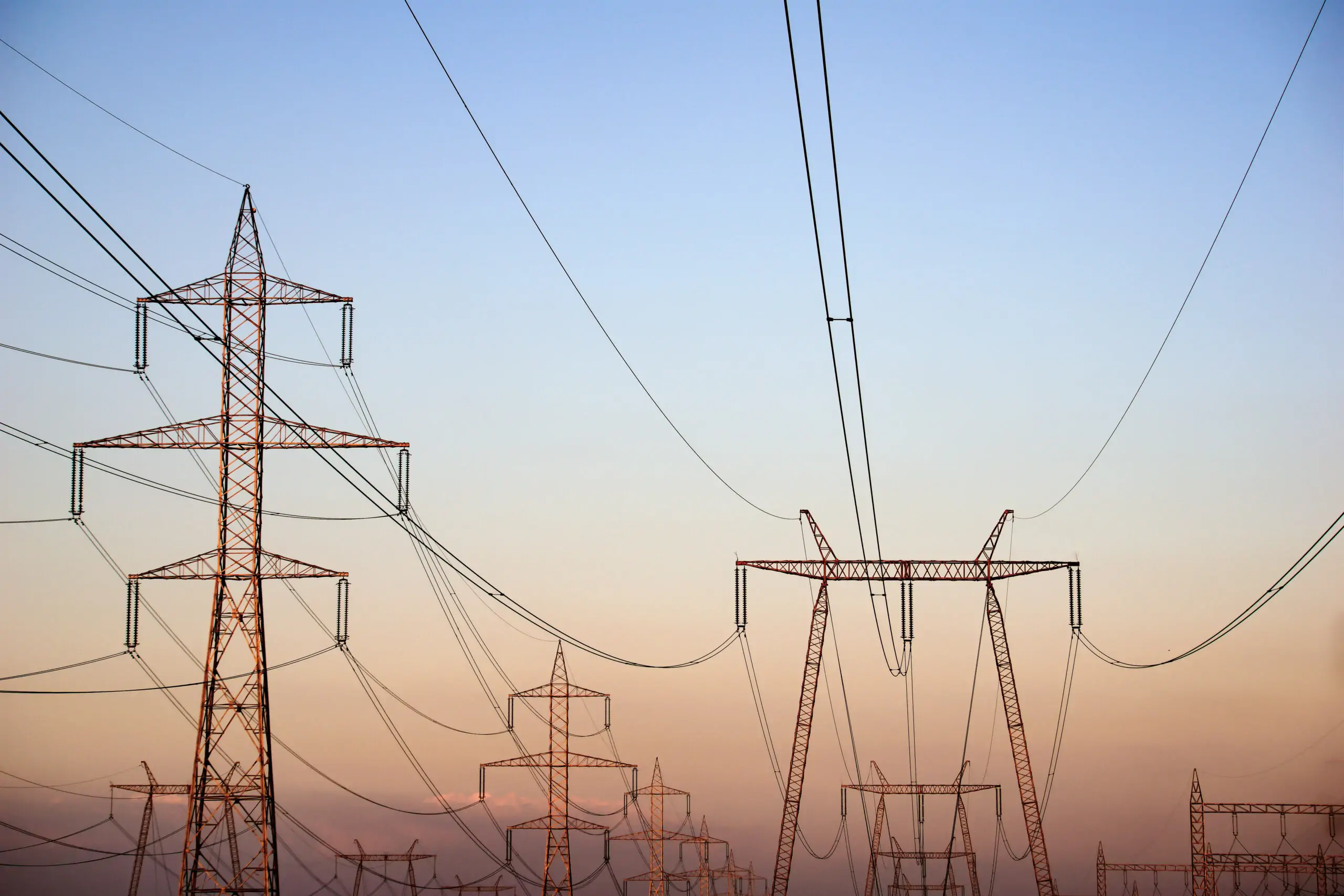

With the aim of structurally reducing the European economy’s dependence on fossil fuel imports and accelerating the energy transition, the European Commission has opted for electrification.
With the adoption of the Action Plan for Electrification on July 17, 2026, the European Union has set a goal of doubling the share of electricity in its energy mix by 2040 and thus permanently replacing the combustion of fossil fuels with the consumption of European electricity in all sectors where this is technically feasible.
Now that the continent has a common path forward, it is up to European capitals to adopt their own integrated electrification plans and lead their respective economies through this transformation. These plans should include three main elements:
- A clear target for the share of electricity in energy consumption, aligned with climate targets, to serve as a strategic objective in planning energy generation, transmission, and consumption capacities
- A series of incentives for electrification, securing investments by businesses and households and rebalancing price signals in favor of future-oriented solutions
- A policy for the planning, operation, and connection of electricity grids that enables the acceleration of the electrification of end uses, in line with the target.
The adoption of national plans should make it possible to align climate, energy, and industrial policies—as well as the resources allocated to them—with the overarching goal of European energy sovereignty.
Governments must seize this window of political opportunity and can already draw some lessons from the French and Swedish plans, despite their partial implementation.
About the Author:
Arthur Daemers: research fellow, center for energy & climate, Ifri