
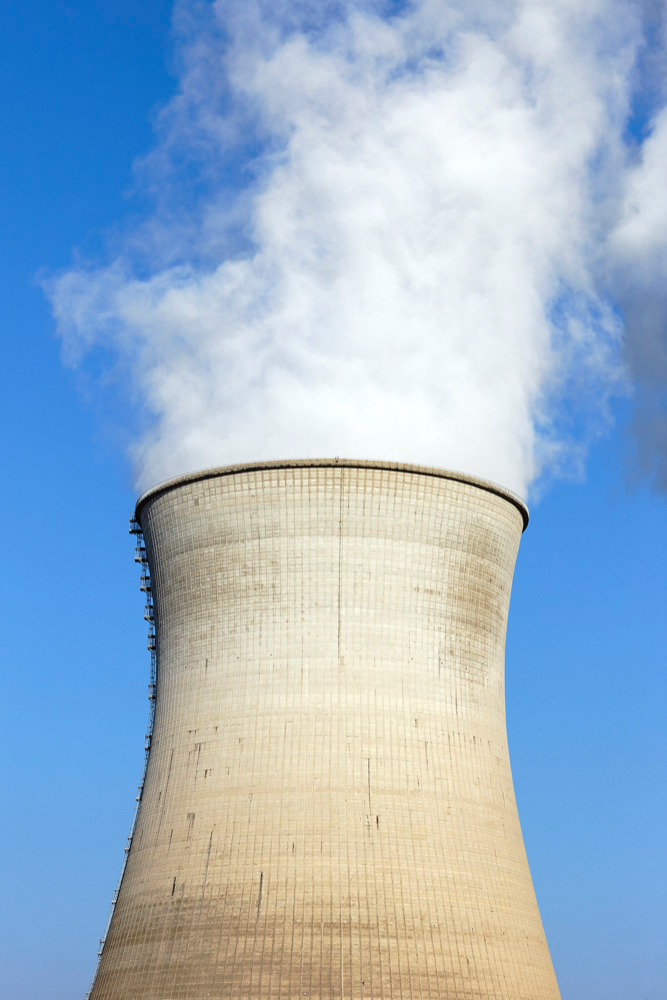

Nuclear energy has returned to the centre of European energy debates. Politically, this broader openness to nuclear reflects growing concerns over energy security, strategic autonomy, industrial competitiveness and the increasing need for ‘homegrown’ low-carbon energy. This CEPS In-Depth Analysis report takes stock of the current state of nuclear energy in the EU and assesses the key challenges and conditions required for its future deployment.
The analysis suggests that expanding nuclear capacity in the EU is far from straightforward and will require simultaneous and coherent action by industry, Member States and the EU. Industry faces the challenge of rebuilding supply chains, strengthening project delivery capabilities beyond a legacy of chronic delays and cost overruns, and future-proofing new technologies. To support this, Member States willing to pursue nuclear remain responsible for ending stop-and-go cycles, providing long-term political commitment and regulatory predictability, and establishing financing frameworks capable of de-risking highly capital-intensive investments that require a long-term planning horizon.
About the authors:
Irina Kustova is Head of the Energy Programme at the Centre for European Policy Studies (CEPS) in Brussels, where she works on various issues concerned the energy transition and energy security.
Gustavo Quintana Cabrera is a Research Assistant in the Energy, Resources and Climate Change (ERCC) Unit at CEPS, where he conducts research in the Energy Programme.