
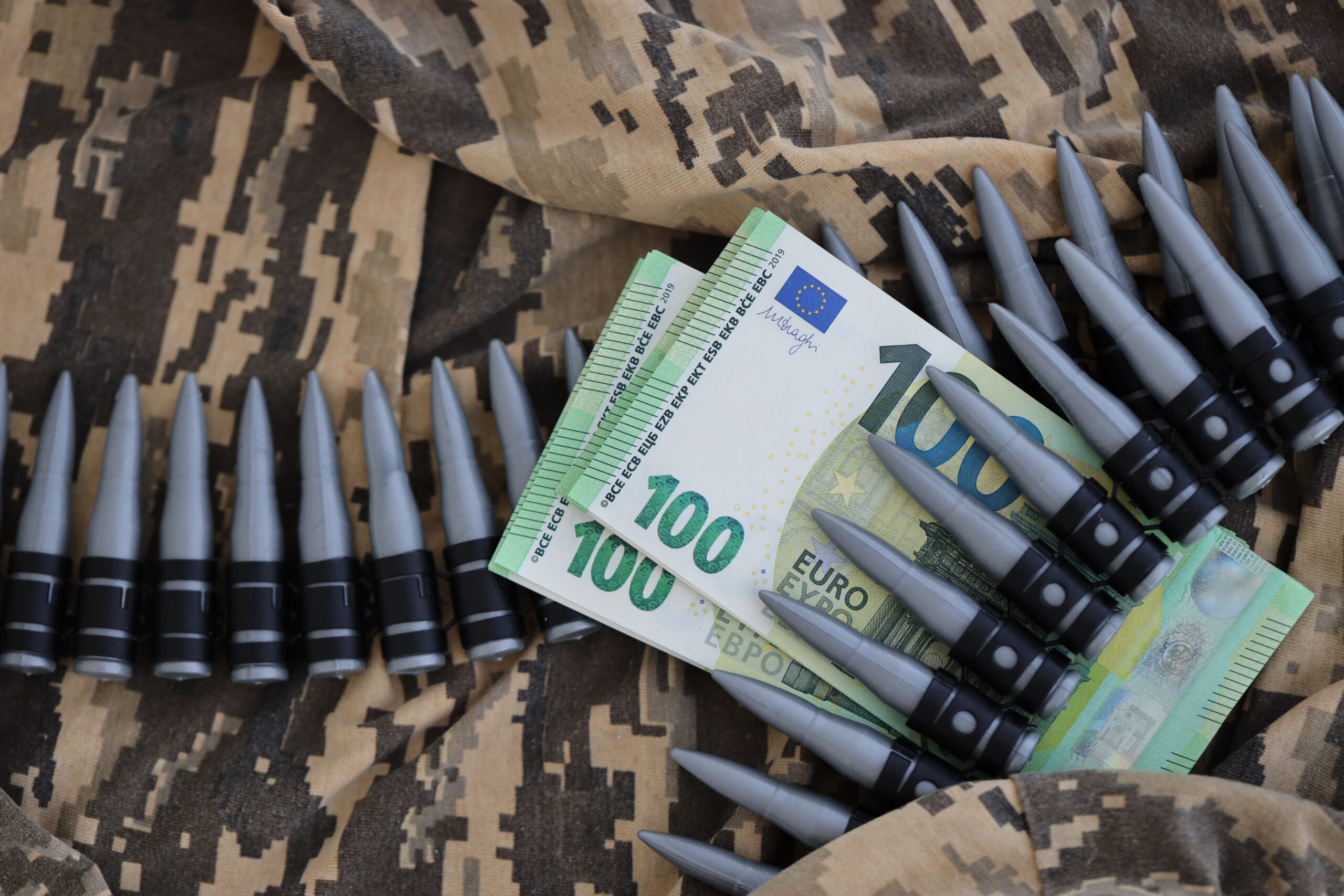

On 15 July 2026 in Brussels, the Council of the European Union and the European Parliament reached a provisional political agreement on the Programme for Agile and Rapid Defence Innovation (AGILE), a new € 115 million instrument to fund defence technology development by small and medium-sized enterprises (SMEs) . The Agreement, struck during the first round of trilogue under the Irish Council presidency, provides fast-track grants and access to testing facilities for SMEs developing emerging and disruptive defence technologies . AGILE is expected to become operational in early 2027, subject to formal approval by both institutions. On the Council side, this requires approval through the Committee of Permanent Representatives (Coreper), while Parliament must approve the agreement through the relevant committees and a subsequent plenary vote.
Context
AGILE stems from the EU’s post-2022 defence readiness agenda, launched after the March 2022 Versailles declaration and by the Commission and High Representative’s White Paper for European Defence Readiness 2030, published in March 2025. It complements existing EU defence-industrial instruments that are mainly focused on long-running and large-scale projects, such as the European Defence Fund, the EU Defence Innovation Scheme (EUDIS), the Hub for EU Defence Innovation (HEDI), and the € 1.5 billion European Defence Industry Programme (EDIP). However, AGILE is a short-cycle model . As proposed, it is a faster-moving complement in the context of growing military relevance of new technologies such as artificial intelligence, quantum computing and drones . The Council adopted its negotiating mandate on 3 June 2026, the European Parliament confirmed its position on 25 June, and an agreement was reached after a single trilogue on 15 July.
About the author
Andreu Sergeat Rabasa is a Defence & Security Research Trainee at Finabel