
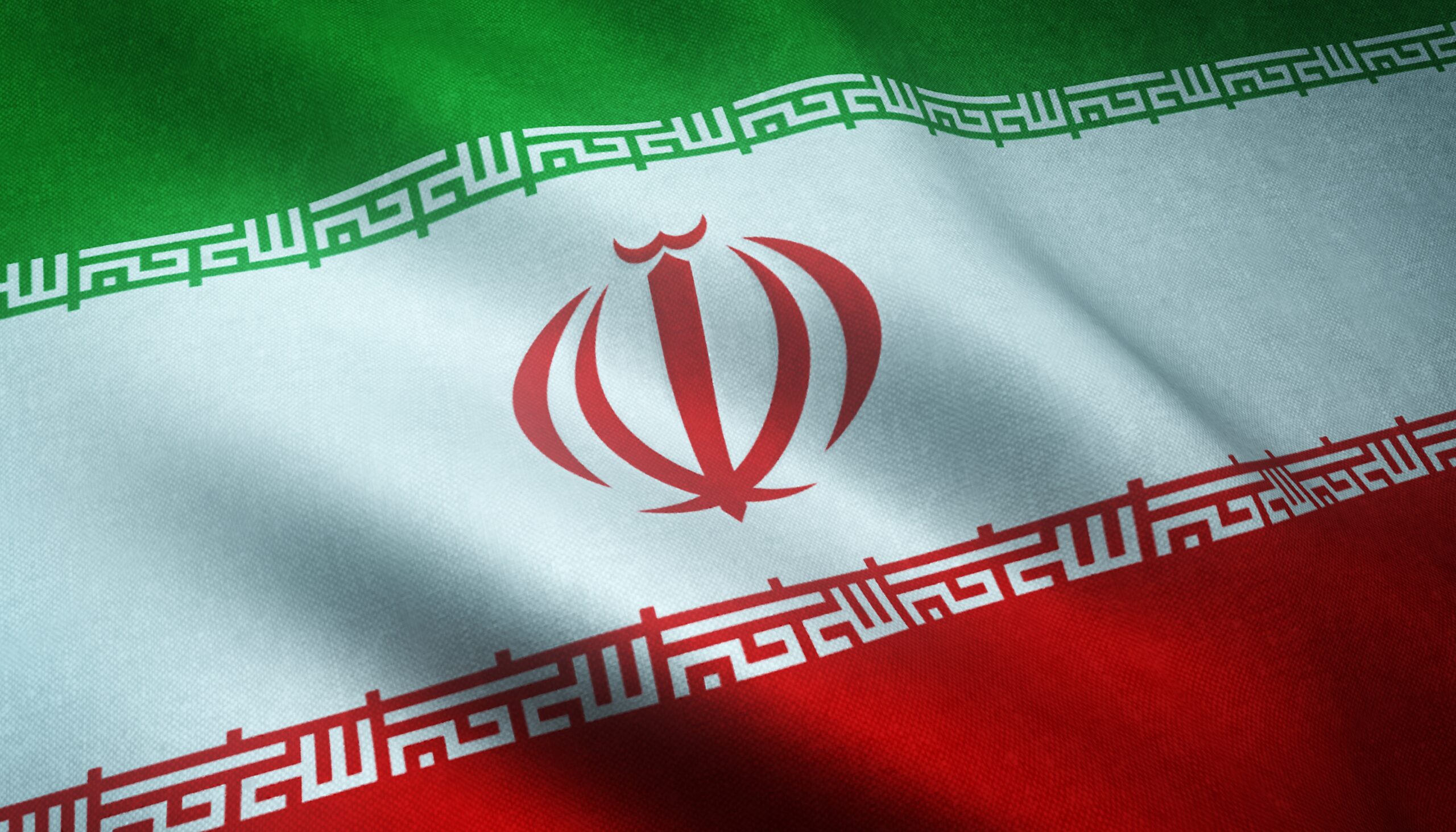

Israel’s unprecedented strikes across Iran have shattered nuclear diplomacy and paved the way for regional war. As America scrambles to respond, Europeans can help curb dangerous escalation.
Israel has launched unprecedented strikes across Iran. On the morning of June 13th, Israeli prime minister Benyamin Netanyahu confirmed that the overnight attack was designed to inflict significant damage on Iran’s military facilities. It has likely scuttled US president Donald Trump’s chance of striking a deal to contain Iran’s nuclear programme. This is the biggest military attack Iran has faced since the conflict with Iraq in the 1980s; and Iran view Israel’s strikes as a declaration of war.
Israel has confirmed that the attack is the first phase of a military campaign which could last weeks. It involved several waves of strikes, with 200 fighter jets targeting 100 different locations including Iranian nuclear facilities. The assault also killed several senior Iranian commanders, including the heads of the army and Islamic Revolutionary Guard Corps (IRGC), as well as nuclear scientists. Iranian media reports that civilians have also been killed.
Iran’s supreme leader Ayatollah Ali Khamenei has made clear that Iran will retaliate. If Tehran can still mobilise military capabilities despite the Israeli campaign, it is likely to target Israeli military sites—and possible critical infrastructure—directly.
Killing diplomacy
The Israeli attack came 48 hours before US special envoy Steve Witkoff was due to meet Iran’s foreign minister for a critical sixth round of nuclear negotiations. Some hawkish voices on Iran argue that military strikes will strengthen US diplomatic leverage. Trump’s initial reaction, urging that “Iran must make a deal” before the next wave of attacks, suggests the US president has bought into this view. Yet the timing and widespread nature of the Israeli attacks are more likely to harden Iran’s negotiating position and potentially derail talks altogether.
Iran will likely take the view that the Netanyahu government acted with a US green light; Trump says that America was made aware in advance of the strikes, but his administration has distanced itself from Israeli action. However, there is a high chance that the US had a supporting role (such as refuelling aircraft and intelligence sharing) and could be engaged in defending Israel against Iranian counter-strikes. The US has warned Iran not to target American assets in the Middle East, but had already prepared for this situation by evacuating personnel across the region earlier in the week.
Given the volatile military situation, Iran has stated it will not proceed with mediated talks scheduled to take place in Oman. This official track may now enter a hiatus, or end altogether, as further military confrontation between Israel and Iran plays out. Iran could also take wider escalatory steps in the nuclear arena such as withdrawing from the Nuclear Non-Proliferation Treaty (NPT) and reducing international inspections. But Israel’s attacks are almost certainly likely to empower those in Iran who want to move towards nuclear weaponisation—a decision which Tehran has long resisted, and which the latest US intelligence findings say the Iranian leadership has not yet taken.
The Iranian counter-response
Iran’s leadership has indicated that Israel’s attack requires a strong military response. Over the past year an internal debate has played out in Iran over whether the country made a strategic mistake in not responding more harshly to previous Israeli attacks. Its deterrence abilities have been further compounded by the significant weaking of Iran’s key regional allies in Lebanon and the downfall of Bashar al-Assad in Syria, which has left Iran even more vulnerable.
Israel’s latest military campaign resembles aspects of its recent strikes in southern Lebanon. There will be growing pressure inside Iran to respond more forcefully to the June 13th attacks than it did to recent Israeli strikes against its interests elsewhere in the Middle East—not least as this new assault could be the prelude to a wider Israeli attempt to force regime instability in the same way as it has done in Lebanon. In short, the argument goes that if Iran does not use its military might now, it may lose all its cards to Israeli bombings.
But there is uncertainty over Iran’s ability to launch a counter response. In October 2024, Israel carried out attacks which it claimed undermined Iran’s missile stockpile and air defences, leaving Iran vulnerable to the type of attack seen on June 13th and reducing its offensive capability. Iran has reportedly launched a wave of drone attacks against Israel, but these are unlikely to cause major damage. Now the key question is whether Iran is capable—and willing—to launch a wave of ballistic missile attacks, including by requesting assistance from Hezbollah and the Houthis, that could overwhelm Israel’s strong air-defence systems. This would ignite a much deeper and more direct regional confrontation. However, while Tehran might feel better-placed to withstand such a war, this could leave Iran vulnerable to a joint Israeli-US campaign.
Should the conflict spiral, Iran may also carry out attacks against US bases across the Middle East and disrupt the flow of shipping in the Strait of Hormuz and the Red Sea. But, given the US insistence that Israel acted unilaterally, Iran might initially be wary of dragging America into a direct confrontation. Given Tehran’s important rapprochement with the Gulf Cooperation Council (GCC) states that have vocally opposed the Israeli attacks, it is also likely to initially hold back any escalation that could damage its relations within the Arab world.
An urgent European call for de-escalation
In the immediate days ahead, European actors should:
- Understand that Israel initiated and designed this attack to up the ante against Tehran—and drag the wider region into confrontation. Such aggression is a threat to regional peace and security, derailing hopes of a diplomatic pathway to resolve Iran’s nuclear crisis and risking a deep regional war, both of which directly threaten core European interests. An unwillingness to acknowledge and condemn Israeli aggression will act as a green light for an escalated and dangerous military campaign.
- Ensure that Europe is not dragged into the confrontation between Israel and Iran in ways that can endanger the numerous European diplomats and military personnel in the Middle East. European actors should offer assistance to the International Atomic Energy Agency (IAEA) in Iran, with support to prevent danger to European inspectors on the ground. This could also help prevent the risk of radiation contamination that could follow from further Israeli strikes.
- Coordinate with the Trump administration and the GCC states to prevent a wider regional conflict. These actors all want to prevent further escalation and they should put Israel and Iran under intense pressure to achieve this. Europeans should press Gulf actors, who wield far greater influence in Washington on this matter, to urge Trump to clarify that the US will not support further Israeli strikes. The GCC states should also use their ties to Tehran to emphasise to Iran the risks they face with escalation.
- Step up political efforts to prevent Iran from weaponising its nuclear programme. Rather than retreating from diplomacy, Israel’s attack should trigger intense engagement in order to maintain a channel aimed at immediate de-escalation, and to offer a viable political and economic pathway that would provide the conditions for a revived nuclear deal. This is the issue which ostensibly lies at the heart of Israel’s attacks.
About the Author
Ellie Geranmayeh, Deputy Director, Middle East and North Africa programme, Senior Policy Fellow.