
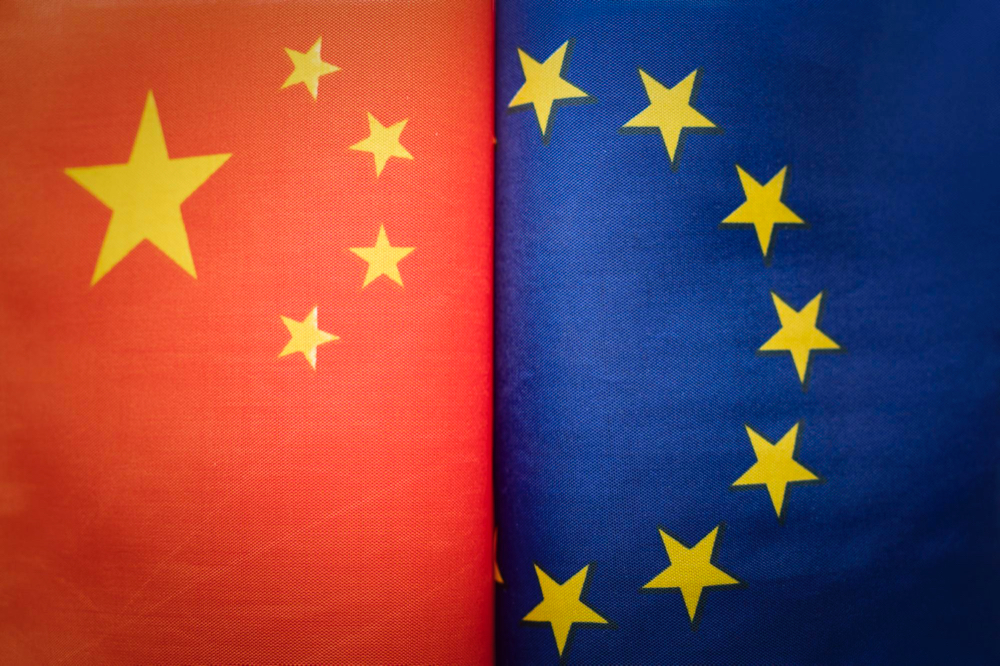

China’s drive to become a global leader in science, technology and innovation has huge implications for the EU and its member states. On the one hand, China is becoming a strong competitor in industrial high-tech sectors and innovative science that used to be the stronghold of European actors. Advanced digital technologies made in China also increasingly pose risks to infrastructures in Europe. On the other hand, China offers itself as a resourceful counterpart for collaboration in research and development (R&D) and keeps attracting European scientists and businesses alike.
This report, the 12th compiled by the European Think-tank Network on China (ETNC), analyses how Europe is affected by China’s rise to a technological power and its increasing clout in shaping and creating innovation. Authors from 24 European countries have contributed to this study. The goal is to provide a nuanced picture of how those states interact with China in the field of innovative technologies, and to identify commonalities and differences in how they are affected.
In short
- The report analyses how China’s rise as a technology and innovation power affects Europe, drawing on contributions from 24 European countries.
- China is no longer only a manufacturing power. It is an increasingly capable competitor in advanced sectors such as semiconductors, electric vehicles, batteries, green technology, AI, robotics and biotechnology.
- Across Europe, policy is shifting from openness towards de-risking, economic security and research security, although implementation still differs sharply between countries.
- European states face similar dilemmas but respond differently: some prioritise risk mitigation and technological sovereignty, while others continue to stress investment, industrial cooperation and pragmatic engagement with China.
- The report concludes that European coordination is essential, but difficult, as governments must balance competitiveness, security, supply-chain resilience and the continued need for selective cooperation with China.