VIENNA – Hungary’s upcoming general election will have far-reaching implications both for Hungary and the European Union. The EU’s central geopolitical challenge is to defend Europe against aggression from both Russia and the United States – each of which is lashing out to compensate for its own relative loss of power – and Hungarian Prime Minister Viktor Orbán’s regime has long frustrated this effort. But even if Orbán is finally defeated, European leaders must take the right lessons from his 15 years of illiberal misrule.
That means reflecting on the vulnerabilities in the EU’s structure that allowed Orbán to do so much damage in the first place. Barring meaningful reforms, the bloc cannot hope to build resilience against new international threats. By hijacking the perks of EU membership and turning them into pressure points that anti-European forces have exploited, Orbán has created a playbook that others could follow in the future.
Orbán’s capture and misuse of EU funds is well documented. For years, European taxpayers’ money has been funneled not to Hungarian citizens in need, but to oligarchs who owe their allegiance to Orbán. But blocking disbursements to put pressure on the regime has not yielded the expected results, because Orbán has exploited such moves to portray the EU as the enemy of the Hungarian people.
Moreover, Orbán has abused the veto right that comes with EU membership. A mechanism designed to guarantee constructive unanimity has been reduced to a method of extortion. Although Hungary has voted for more collective measures than Orbán’s propagandists would have the public believe, the EU must pivot from the idealistic pursuit of unity toward a more pragmatic form of cooperation.
Another structural feature that has benefited Orbán is free mobility for people within the EU. While a brain drain poses serious challenges for any country over the long term, emigration has served Orbán’s interests by allowing those who might otherwise challenge him simply to seek opportunities elsewhere.
In these and other ways, Orbán has made a mockery of European cohesion. Nor is he alone. Originally designed as an EU accession format, the Visegrád Four (V4) – the Czech Republic, Hungary, Poland, Slovakia – has become a playground for Euroskeptics who want to exploit a sense of Central European solidarity to undermine European norms and values. Instead of deepening cohesion, the V4 has become an institutionally fluid platform through which populist politicians can support each other – such as by providing asylum for those escaping justice in their home countries, including political allies from within the V4.
Orbán has also abused the high-profile platform that comes with EU membership. Because the EU is so committed to equality between member states, it shines a spotlight even on small and medium-size countries. Accordingly, Orbán enjoys a degree of visibility far beyond what a Serbian or North Macedonian leader could ever achieve. But the upshot is that the EU has unwillingly amplified Orbán’s illiberal model, which now attracts right-wing sympathizers from around the world.
For example, Orbán and other anti-liberals have found a common cause in opposing immigration. Orbán played a decisive role in turning the 2015 influx of asylum-seekers into a full-blown crisis for the EU. Before refugees from Syria’s civil war and other conflicts had even reached Europe, his government was pumping out xenophobic propaganda and betting on the shortcomings of the Dublin system (which determines who bears responsibility for considering asylum applications), rather than trying to devise a preventive strategy with his EU counterparts.
Orbán also violated the rules of the Schengen area (the border-free zone comprising all EU member states) by blocking the transit of migrants in order to put pressure on Germany. The barbed-wire fence that he installed on the Serbian-Hungarian border still stands as an inglorious symbol of his willingness to exploit neighboring countries’ weaknesses and human suffering generally.
Finally, on the question of EU enlargement, Orbán pretends to support the integration of the Western Balkans. But he simultaneously shows mafia-like solidarity with regimes that benefit from accession fatigue (like the one in Serbia), and supports politicians who threaten the fragile regional status quo (such as Milorad Dodik in Bosnia).
EU leaders must not allow this cynical maneuvering to pay off. Whatever complications Orbán creates, they are no excuse to keep the Western Balkans outside of the EU, given the region’s importance for continental security. Instead, the EU should develop better tools for dealing with potential internal spoilers, such as ensuring that cohesion and enlargement reinforce rather than replace each other, and applying rule-of-law conditionalities (already central to accession) more consistently within the EU.
Thanks to Orbán, EU institutions have had plenty of time to familiarize themselves with their own structural weaknesses. Orbán’s tactics – like those of Russian President Vladimir Putin and US President Donald Trump – are now well known. The Hungarian precedent has clarified what European resilience requires: not symbolic postwar unity, but the political capacity to confront those who convert institutional and social weaknesses – at home and abroad – into a source of power. Such limited, and ultimately self-defeating, leverage should not intimidate a Union that aspires to act geopolitically.

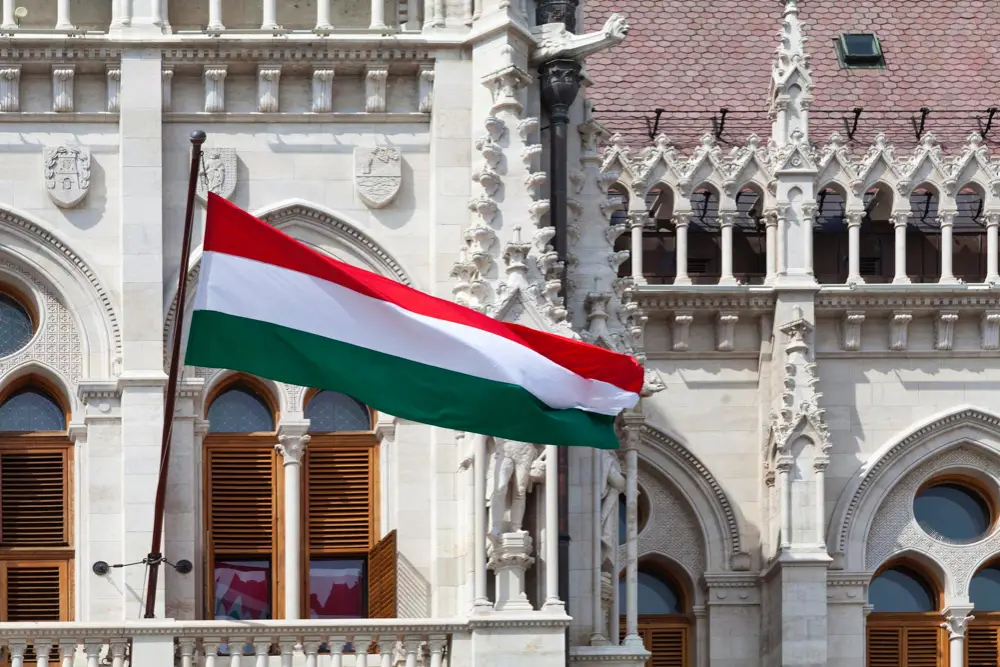


VIENNA – Hungary’s upcoming general election will have far-reaching implications both for Hungary and the European Union. The EU’s central geopolitical challenge is to defend Europe against aggression from both Russia and the United States – each of which is lashing out to compensate for its own relative loss of power – and Hungarian Prime Minister Viktor Orbán’s regime has long frustrated this effort. But even if Orbán is finally defeated, European leaders must take the right lessons from his 15 years of illiberal misrule.
That means reflecting on the vulnerabilities in the EU’s structure that allowed Orbán to do so much damage in the first place. Barring meaningful reforms, the bloc cannot hope to build resilience against new international threats. By hijacking the perks of EU membership and turning them into pressure points that anti-European forces have exploited, Orbán has created a playbook that others could follow in the future.
Orbán’s capture and misuse of EU funds is well documented. For years, European taxpayers’ money has been funneled not to Hungarian citizens in need, but to oligarchs who owe their allegiance to Orbán. But blocking disbursements to put pressure on the regime has not yielded the expected results, because Orbán has exploited such moves to portray the EU as the enemy of the Hungarian people.
Moreover, Orbán has abused the veto right that comes with EU membership. A mechanism designed to guarantee constructive unanimity has been reduced to a method of extortion. Although Hungary has voted for more collective measures than Orbán’s propagandists would have the public believe, the EU must pivot from the idealistic pursuit of unity toward a more pragmatic form of cooperation.
Another structural feature that has benefited Orbán is free mobility for people within the EU. While a brain drain poses serious challenges for any country over the long term, emigration has served Orbán’s interests by allowing those who might otherwise challenge him simply to seek opportunities elsewhere.
In these and other ways, Orbán has made a mockery of European cohesion. Nor is he alone. Originally designed as an EU accession format, the Visegrád Four (V4) – the Czech Republic, Hungary, Poland, Slovakia – has become a playground for Euroskeptics who want to exploit a sense of Central European solidarity to undermine European norms and values. Instead of deepening cohesion, the V4 has become an institutionally fluid platform through which populist politicians can support each other – such as by providing asylum for those escaping justice in their home countries, including political allies from within the V4.
Orbán has also abused the high-profile platform that comes with EU membership. Because the EU is so committed to equality between member states, it shines a spotlight even on small and medium-size countries. Accordingly, Orbán enjoys a degree of visibility far beyond what a Serbian or North Macedonian leader could ever achieve. But the upshot is that the EU has unwillingly amplified Orbán’s illiberal model, which now attracts right-wing sympathizers from around the world.
For example, Orbán and other anti-liberals have found a common cause in opposing immigration. Orbán played a decisive role in turning the 2015 influx of asylum-seekers into a full-blown crisis for the EU. Before refugees from Syria’s civil war and other conflicts had even reached Europe, his government was pumping out xenophobic propaganda and betting on the shortcomings of the Dublin system (which determines who bears responsibility for considering asylum applications), rather than trying to devise a preventive strategy with his EU counterparts.
Orbán also violated the rules of the Schengen area (the border-free zone comprising all EU member states) by blocking the transit of migrants in order to put pressure on Germany. The barbed-wire fence that he installed on the Serbian-Hungarian border still stands as an inglorious symbol of his willingness to exploit neighboring countries’ weaknesses and human suffering generally.
Finally, on the question of EU enlargement, Orbán pretends to support the integration of the Western Balkans. But he simultaneously shows mafia-like solidarity with regimes that benefit from accession fatigue (like the one in Serbia), and supports politicians who threaten the fragile regional status quo (such as Milorad Dodik in Bosnia).
EU leaders must not allow this cynical maneuvering to pay off. Whatever complications Orbán creates, they are no excuse to keep the Western Balkans outside of the EU, given the region’s importance for continental security. Instead, the EU should develop better tools for dealing with potential internal spoilers, such as ensuring that cohesion and enlargement reinforce rather than replace each other, and applying rule-of-law conditionalities (already central to accession) more consistently within the EU.
Thanks to Orbán, EU institutions have had plenty of time to familiarize themselves with their own structural weaknesses. Orbán’s tactics – like those of Russian President Vladimir Putin and US President Donald Trump – are now well known. The Hungarian precedent has clarified what European resilience requires: not symbolic postwar unity, but the political capacity to confront those who convert institutional and social weaknesses – at home and abroad – into a source of power. Such limited, and ultimately self-defeating, leverage should not intimidate a Union that aspires to act geopolitically.