NEW YORK – As the fourth anniversary of Russia’s invasion of Ukraine approaches, the European Union has yet to take one of the most powerful steps that would make a real difference on the ground in Ukraine: use frozen Russian assets to help Ukraine fight off Russia’s army. Doing so would go a long way toward securing Ukraine’s future – and Europe’s, too.
This week, French President Emmanuel Macron confirmed that EU countries will finalize a solution for financial support of Ukraine in the coming days. As Russia continues to pummel Ukraine’s civilian infrastructure – homes, power generation and distribution systems, and heating and water systems – the need for financial support is great. Even if the war ends in 2026, and without considering the enormous costs of reconstruction, amounting to well over $500 billion, Ukraine will need around $140 billion in the next two years, in addition to other financing, owing to the war’s effects on its economy.
Ukraine continues to resist valiantly, fighting the much bigger invader to a virtual standstill. Russian casualties (killed and wounded) exceed one million. Yet the loss of so many lives has gained Russia relatively little – devastated territories and populations, land laid waste by some of the fiercest fighting since World War II and now strewn with mines. Russia has failed to achieve any of its original strategic goals in launching the war.
In February 2022, soon after Russia’s full-scale invasion, $300 billion in Russian central bank assets (mostly interest-paying securities) were immobilized in Western financial institutions. In October 2024, the G7 countries established an Extraordinary Revenue Acceleration (ERA) program, providing loans to Ukraine financed by interest from those immobilized Russian assets. Under the ERA program, about €30.9 billion ($35.7 billion) of the planned €45 billion loan envelope has been disbursed so far.
But what about the underlying assets immobilized in European jurisdictions? Many have matured into cash, which Euroclear – the Belgian financial institution that holds the lion’s share of the assets – has been placing in an account at the European Central Bank bearing very little interest.
A recent EU Council meeting discussed using these assets to make a “Reparations Loan” to Ukraine, in the amount of €210 billion, repayable only if Russia compensates Ukraine for the destruction it has caused. In practical terms, the only difference would be that Euroclear invests the cash in AAA-rated Commission bonds instead of AAA-rated ECB deposits. Russia could, in principle, reclaim ownership of these assets after it repays Ukraine, making the Reparations Loan temporary and reversible.
As we previously argued, there is no risk of this being perceived as “confiscation.” None of the adverse effects that critics of immobilization and the ERA program predicted materialized. The euro is still second only to the dollar, and European financial institutions are a safe haven for investors across the world.
While Russia has created the most serious security crisis in Europe since WWII’s end, trampling on international law and norms, its assets have been enjoying the protection of European institutions. But in any just world, one cannot have it both ways. One cannot attack Europe with GPS jamming, arson, sabotage, cyberwarfare, and disinformation campaigns – all orchestrated by Russian military intelligence – while enjoying the protection of European financial and legal institutions.
If there ever were a time to tighten the screws on Russia, this is it. With oil and gas revenues down sharply, Russia is finding it harder and harder to pay for its meatgrinder war. Meanwhile, defense expenditures are rising, and high inflation is severely hurting Russian consumers.
As a result of US secondary sanctions, India’s largest conglomerate halted Russian oil imports. Four major Chinese state oil companies have also signaled that they will refrain from buying Russian oil in the short term. China and India together account for about 85% of Russian oil sales, and a loss of these markets would have a severe impact on the Russian war effort. It is thus no surprise that Russia is rushing to force an end to the war on favorable terms.
To share residual risk of the Reparations Loan, Belgian Prime Minister Bart de Wever has demanded guarantees from other EU states that Belgium will not be liable for any successful award to the Russian Federation. Thus, each member state is to guarantee a share of the loan (based on gross national income).
De Wever’s concerns are ungrounded. Given the grave violations of the United Nations Charter and the scale of Russian war crimes, there is no path to a successful arbitration or award to Russia that Belgium would have to repay. The immobilization happened because of EU law, and the European Council already limited the enforcement of any potential awards in 2014, in response to Russia’s first invasion of Ukraine, when Russia illegally annexed Crimea.
Even so, if loan guarantees from EU member states are what is required to clear this hurdle, they should be provided to the necessary extent. Since Belgium is not at risk, there is no risk for guarantee providers. Furthermore, European countries should terminate their bilateral investment treaties with Russia – something they should have done long ago. Russia has already effectively done this by taking over so many European companies.
As many European leaders acknowledge, Europe (including the United Kingdom and Norway) must be able to defend itself. Providing a Reparations Loan to Ukraine is a forceful step in this direction that Europeans can take without American involvement.
It would be morally wrong not to pursue this option. Russia is culpable for the carnage it has wrought in Ukraine. A reparations loan would bring a modicum of justice, although the amount represents only a small fraction of the damage to physical infrastructure Russia has caused, to say nothing of the harm caused to millions of Ukrainians. An entire generation will carry the trauma with them for the rest of their lives.
The Reparations Loan is not only about justice. It is about survival. To defend Ukraine is to defend Europe. Europe must overcome its fear of exercising power if it is to withstand the clear, present, and deadly threat emanating from Moscow.


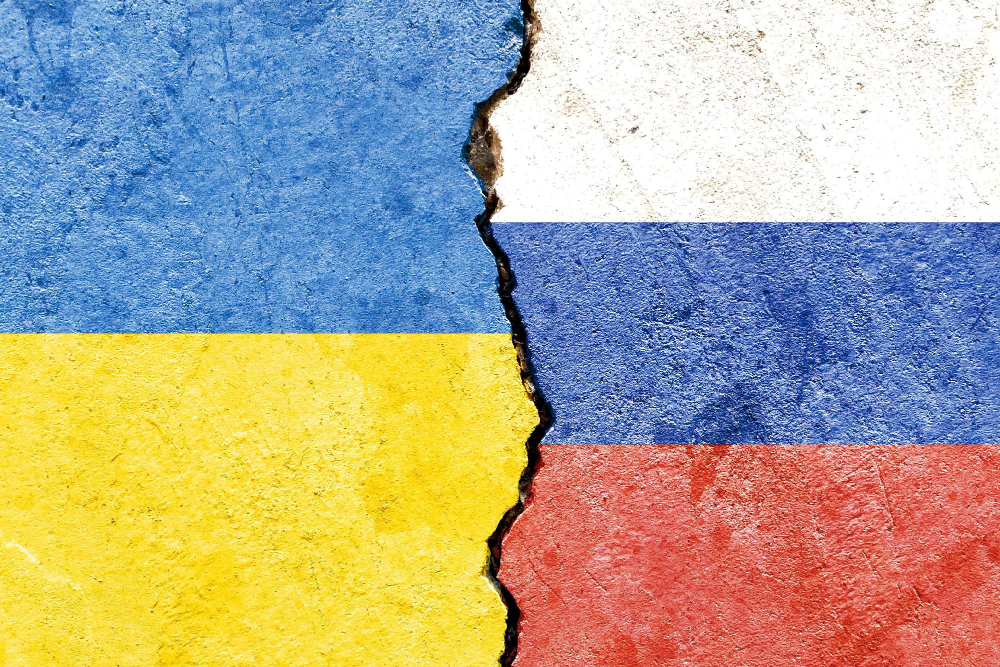

NEW YORK – As the fourth anniversary of Russia’s invasion of Ukraine approaches, the European Union has yet to take one of the most powerful steps that would make a real difference on the ground in Ukraine: use frozen Russian assets to help Ukraine fight off Russia’s army. Doing so would go a long way toward securing Ukraine’s future – and Europe’s, too.
This week, French President Emmanuel Macron confirmed that EU countries will finalize a solution for financial support of Ukraine in the coming days. As Russia continues to pummel Ukraine’s civilian infrastructure – homes, power generation and distribution systems, and heating and water systems – the need for financial support is great. Even if the war ends in 2026, and without considering the enormous costs of reconstruction, amounting to well over $500 billion, Ukraine will need around $140 billion in the next two years, in addition to other financing, owing to the war’s effects on its economy.
Ukraine continues to resist valiantly, fighting the much bigger invader to a virtual standstill. Russian casualties (killed and wounded) exceed one million. Yet the loss of so many lives has gained Russia relatively little – devastated territories and populations, land laid waste by some of the fiercest fighting since World War II and now strewn with mines. Russia has failed to achieve any of its original strategic goals in launching the war.
In February 2022, soon after Russia’s full-scale invasion, $300 billion in Russian central bank assets (mostly interest-paying securities) were immobilized in Western financial institutions. In October 2024, the G7 countries established an Extraordinary Revenue Acceleration (ERA) program, providing loans to Ukraine financed by interest from those immobilized Russian assets. Under the ERA program, about €30.9 billion ($35.7 billion) of the planned €45 billion loan envelope has been disbursed so far.
But what about the underlying assets immobilized in European jurisdictions? Many have matured into cash, which Euroclear – the Belgian financial institution that holds the lion’s share of the assets – has been placing in an account at the European Central Bank bearing very little interest.
A recent EU Council meeting discussed using these assets to make a “Reparations Loan” to Ukraine, in the amount of €210 billion, repayable only if Russia compensates Ukraine for the destruction it has caused. In practical terms, the only difference would be that Euroclear invests the cash in AAA-rated Commission bonds instead of AAA-rated ECB deposits. Russia could, in principle, reclaim ownership of these assets after it repays Ukraine, making the Reparations Loan temporary and reversible.
As we previously argued, there is no risk of this being perceived as “confiscation.” None of the adverse effects that critics of immobilization and the ERA program predicted materialized. The euro is still second only to the dollar, and European financial institutions are a safe haven for investors across the world.
While Russia has created the most serious security crisis in Europe since WWII’s end, trampling on international law and norms, its assets have been enjoying the protection of European institutions. But in any just world, one cannot have it both ways. One cannot attack Europe with GPS jamming, arson, sabotage, cyberwarfare, and disinformation campaigns – all orchestrated by Russian military intelligence – while enjoying the protection of European financial and legal institutions.
If there ever were a time to tighten the screws on Russia, this is it. With oil and gas revenues down sharply, Russia is finding it harder and harder to pay for its meatgrinder war. Meanwhile, defense expenditures are rising, and high inflation is severely hurting Russian consumers.
As a result of US secondary sanctions, India’s largest conglomerate halted Russian oil imports. Four major Chinese state oil companies have also signaled that they will refrain from buying Russian oil in the short term. China and India together account for about 85% of Russian oil sales, and a loss of these markets would have a severe impact on the Russian war effort. It is thus no surprise that Russia is rushing to force an end to the war on favorable terms.
To share residual risk of the Reparations Loan, Belgian Prime Minister Bart de Wever has demanded guarantees from other EU states that Belgium will not be liable for any successful award to the Russian Federation. Thus, each member state is to guarantee a share of the loan (based on gross national income).
De Wever’s concerns are ungrounded. Given the grave violations of the United Nations Charter and the scale of Russian war crimes, there is no path to a successful arbitration or award to Russia that Belgium would have to repay. The immobilization happened because of EU law, and the European Council already limited the enforcement of any potential awards in 2014, in response to Russia’s first invasion of Ukraine, when Russia illegally annexed Crimea.
Even so, if loan guarantees from EU member states are what is required to clear this hurdle, they should be provided to the necessary extent. Since Belgium is not at risk, there is no risk for guarantee providers. Furthermore, European countries should terminate their bilateral investment treaties with Russia – something they should have done long ago. Russia has already effectively done this by taking over so many European companies.
As many European leaders acknowledge, Europe (including the United Kingdom and Norway) must be able to defend itself. Providing a Reparations Loan to Ukraine is a forceful step in this direction that Europeans can take without American involvement.
It would be morally wrong not to pursue this option. Russia is culpable for the carnage it has wrought in Ukraine. A reparations loan would bring a modicum of justice, although the amount represents only a small fraction of the damage to physical infrastructure Russia has caused, to say nothing of the harm caused to millions of Ukrainians. An entire generation will carry the trauma with them for the rest of their lives.
The Reparations Loan is not only about justice. It is about survival. To defend Ukraine is to defend Europe. Europe must overcome its fear of exercising power if it is to withstand the clear, present, and deadly threat emanating from Moscow.