

The art of not dealing
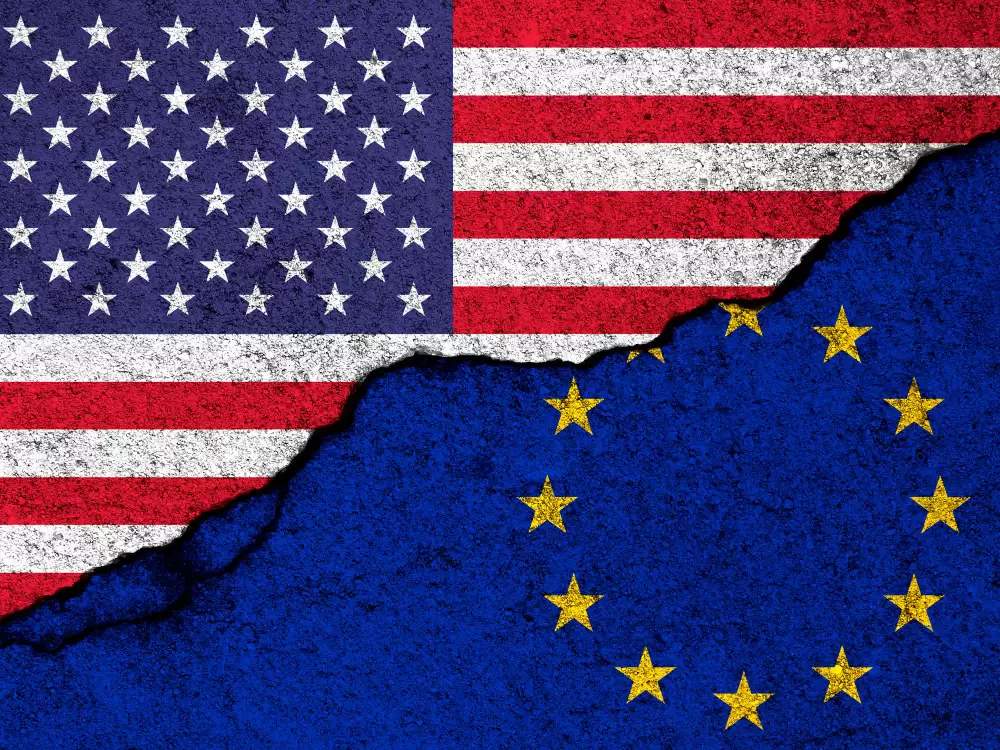
When Donald Trump creates a crisis, European governments seek whisperers to flatter him or pageants to distract him—trying to avoid escalation and buy time in the hope that the pressure passes. But the reflex of appeasement is a costly posture: it teaches Washington that European sovereignty can be negotiated down under sufficient pressure. For all of Trump’s seizure of the daily news cycle, the real issue is more about Europe than about him. Every crisis becomes a test of whether Europeans can act with enough unity, speed and leverage to prevent Washington from defining the terms of the confrontation.
Europe’s Trump problem—or more accurately, its America problem—will not go away soon. Although prediction markets and pollsters agree that Democrats have a decent chance of retaking the House in the 2026 midterm elections, a Democratic majority in the US Congress would still struggle to constrain presidential action in foreign policy, trade, sanctions and alliance management. Congress has spent years relinquishing the very oversight powers it would need to push back.
This matters beyond the midterms. Second-term presidents typically become lame ducks: barred from running again, they lose political leverage as allies look to the next administration. Trump is an exception. His hold on the Republican Party is unusually tight—by May 2026, 62% of self-identified Republicans described themselves as MAGA Republicans, up from 38% in September 2022. That grip gives him both room and motive. Because his base will not abandon him regardless of the fallout, provocative action costs him little domestically—and the spectacle it generates, seizing headlines and wrong-footing opponents—is precisely what keeps him culturally and politically relevant. A strategy his former adviser Steve Bannon once called “muzzle velocity” executive action captures the logic: deliberately flooding opponents with so many moves at once that none can be countered.
Trump operates in an era in which social media has made outrage and novelty the primary currencies of political power—the “attention age”—and there is no surer way to command attention than unilateral foreign-policy decisions, unchecked by Congress, that dominate headlines across the world. Europeans should therefore plan for Trump to remain the decisive actor in US foreign policy until 2028 and be relatively unrestrained in his actions.
The question, then, is whether the EU will be better prepared when the next crisis arrives. This paper uses a “sliding doors” method to explore the problem that Trump will continue to present. The metaphor comes from the 1998 film “Sliding Doors”, starring Gwyneth Paltrow, in which a woman’s life splits into two parallel stories depending on whether she catches or misses a London Underground train. The device works because the difference between the two futures does not lie in the character of the protagonist or the structure of the world around her. It lies in one contingent moment that sends the same person, with the same constraints, into two very different futures.
About the author:
Nevada Joan Lee is a policy fellow at the European Council on Foreign Relations, based in the Washington office.