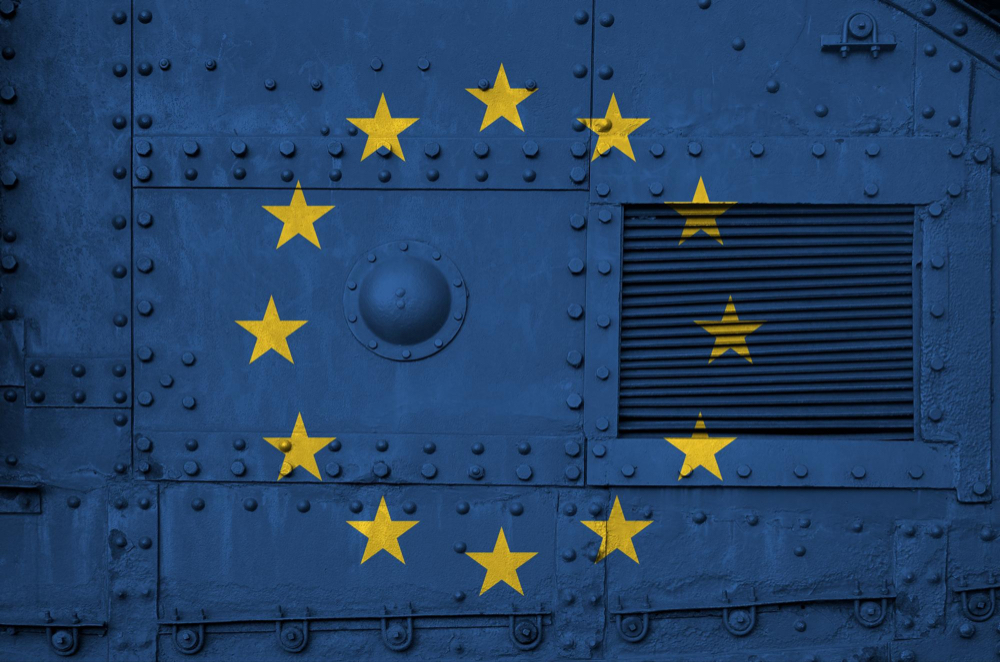

The EU is reframing its security from ‘soft security’ towards strategic autonomy, military readiness and deterrence, which risks sidelining conflict prevention and peacebuilding. After consulting EU institutions and member states, Sophie Desmidt and Sara Gianesello found that defence is prioritised over functionally integrated approaches, but opportunities exist to enforce conflict sensitivity and secure dedicated funding for peace.
Summary
The EU is reframing its security approach in response to hybrid threats and Russia’s war in Ukraine, but also the shift in US foreign and security policy. Moving away from its traditional ‘soft security’ identity, the EU increasingly prioritises strategic autonomy, military readiness and deterrence. This structural shift is redirecting political attention and financial resources, creating a real risk of sidelining conflict prevention and peacebuilding.
Based on consultations across EU institutions and member states, and a closed-door workshop held in March 2026, this paper presents three main findings. First, the security re-alignment prioritises defence, actively framing deterrence as conflict prevention. This concentrates focus on the Eastern Flank, risking support for fragile countries. Second, the ‘integrated’ and ‘3D’ approaches remain conceptually sound but are functionally hindered by institutional fragmentation and a lack of political drive. Third, defence policy shifts are messy due to split competencies. The shift towards defence is primarily driven by EU member state capitals rather than EU institutions, creating a complex policy architecture with persistent operational silos among defence, security and peace actors.
Despite these challenges, there are strategic opportunities to bridge the defence and peace agendas. The EU should clarify its narrative, affirming its identity as a peace actor and framing defence and human security as mutually reinforcing. Furthermore, the EU should foster structured dialogue between military and peace actors, expanding deterrence to include whole-of-society resilience. Finally, in the next MFF, the EU must secure dedicated funding for conflict prevention and make conflict sensitivity a cross-cutting requirement across all financial instruments.
About the Authors:
Sophie Desmidt is the associate director of ECDPM’s people, partnerships and peace cluster and head of the peace, security and resilience workstream. She is also a member of the management team.
Sara Gianesello is a policy analyst and gender and youth focal point in ECDPM’s inclusive governance and accountability and peace, security and resilience teams. She is also the coordinator of the gender task force.