PARIS—Environmental and climate concerns appear to be in retreat worldwide. The word sustainability has become politically charged, the Trump administration openly mocks corporate ESG (environmental, social, governance) criteria, and many companies are shelving their net-zero-emissions pledges.
But look beneath the surface, and you will see something else. Though the political and cultural backlash against “sustainability” is real, so is the global economic transition toward cleaner energy technologies and electrification.
After all, the work of establishing corporate sustainability standards has continued. A growing number of jurisdictions are adopting the International Sustainability Standards Board’s disclosure framework, and in Europe, the European Sustainability Reporting Standards remain in force. Despite their differences, such initiatives are converging into a single global architecture.
This convergence is driven not only by complementary regulations, but also by the world’s largest pools of capital. Pension funds, sovereign wealth funds, insurance balance sheets, and development-finance institutions are increasingly bound by net-zero commitments, taxonomy-aligned reporting, and transition-risk frameworks.
This is no passing trend. We are witnessing a fundamental repricing, one that is being applied gradually through fiduciary and prudential decisions. Companies that can produce credible carbon-reduction strategies are recognized as investable assets, and often can borrow on more attractive financing terms. Those that cannot run the risk of being priced accordingly.
Such signals are unlikely to change. The COVID-19 pandemic and the wars in Ukraine and now Iran have reframed the issue of sustainability, which is now as much about sovereignty and economic security as it is about the planet. Reducing dependencies on fossil fuels is the most direct route to energy security, just as shorter supply chains build industrial resilience and circular material flows ensure strategic autonomy. Captains of industry and national-security strategists are increasingly reading from the same playbook.
Of course, the West has been slow to come to this realization, whereas China made a deliberate strategic choice years ago to become the world’s leading sustainable power. China now manufactures roughly 80% of the world’s solar panels, dominates battery supply chains, and is rapidly scaling up green hydrogen, offshore wind, and electric mobility technologies. Clean technology is the global economy’s competitive frontier, and China intends to own it.
European and American manufacturers face a formidable, state-backed competitor; but the global energy transition is, by definition, an undertaking of enormous scale. The question is not whether that story will be written, but how many leading authors it will have.
Europe is well positioned here. It boasts deep industrial expertise, world-class engineering institutions, a sophisticated financial system, and—crucially—the world’s most developed regulatory framework for creating sustainable products and mobilizing sustainable capital.
The European Green Deal, the Corporate Sustainability Reporting Directive, and the digital product passport are more than compliance regimes; they are the necessary infrastructure for building a sustainable industrial economy. Europe is the world’s most demanding market. Any manufacturer that meets European standards holds a de facto credential that should be recognized anywhere.
Europe can treat this architecture as a defensive perimeter, or it can deploy it as an open platform. The latter path—working with Japan, South Korea, Canada, and willing emerging economies to build interoperable standards and share technical capacities—would position Europe as the convening authority of a genuinely global sustainable economy. That is a role worth playing.
But the global industrial transformation that is currently underway is not a matter of policy debate. It is part of a historical sequence. European industry has managed new quality-certification processes in the 1990s, sustainability ratings in the 2010s, and a steep tightening of product-level regulation through 2025. Now comes the fourth act, with the rollout of digital product passports, taxonomy-aligned financing, and carbon accounting in procurement. The recent political backlash has not—and cannot—reverse this trend.
Three implications follow for policymakers, industrial leaders, and financial institutions. First, manufacturers should be supported through the transition, not shielded from it. Europe needs a coordinated effort to help midsize industrial companies—the backbone of European employment and innovation—build digital and reporting capabilities, combining national development banks such as Bpifrance, KfW, and Cassa Depositi e Prestiti with private capital and mentoring programs. Subsidies that merely delay progress are not the answer.
Second, Europe’s digital product passport should be treated as shared infrastructure, not as a compliance burden. The mechanisms for issuing, verifying, and exchanging product data across global supply chains will be for the new industrial economy what payment messaging networks are for finance. Europe can be a constructive standard-setter, but only if it works with its trading partners, not against them.
Third, European trade diplomacy should align with this regulatory architecture. Rather than treat environmental standards as bargaining chips, Europe should recognize equivalent frameworks where they exist and invite partners to converge on shared methodologies. The legitimacy of European standards rests precisely on their non-discriminatory character.
The companies that will define industrial competitiveness a decade from now are already completing their fourth act: ensuring digital traceability, adopting carbon accounting, aligning with taxonomy criteria, and turning compliance into a commercial advantage. They are emerging across France, Germany, Italy, the Netherlands, the United Kingdom, Japan, South Korea, and other partner economies.
Sustainability and competitiveness are not competing priorities. They are the same project, viewed from two angles. Recognizing that this convergence is not a passing fashion but a structural shift is essential to implement the economic and financial policies that are best suited to the frontier ahead.

About the Authors:
Bruno Bouygues is CEO of GYS, an industrial group specializing in welding equipment, battery chargers, and automotive body repair systems, with operations in 132 countries.
Bertrand Badré is a former managing director and CFO of the World Bank, is Chair of the Project Syndicate Advisory Board, Founder and Managing Partner of Blue like an Orange Sustainable Capital, and the author of Can Finance Save the World? (Berrett-Koehler, 2018).

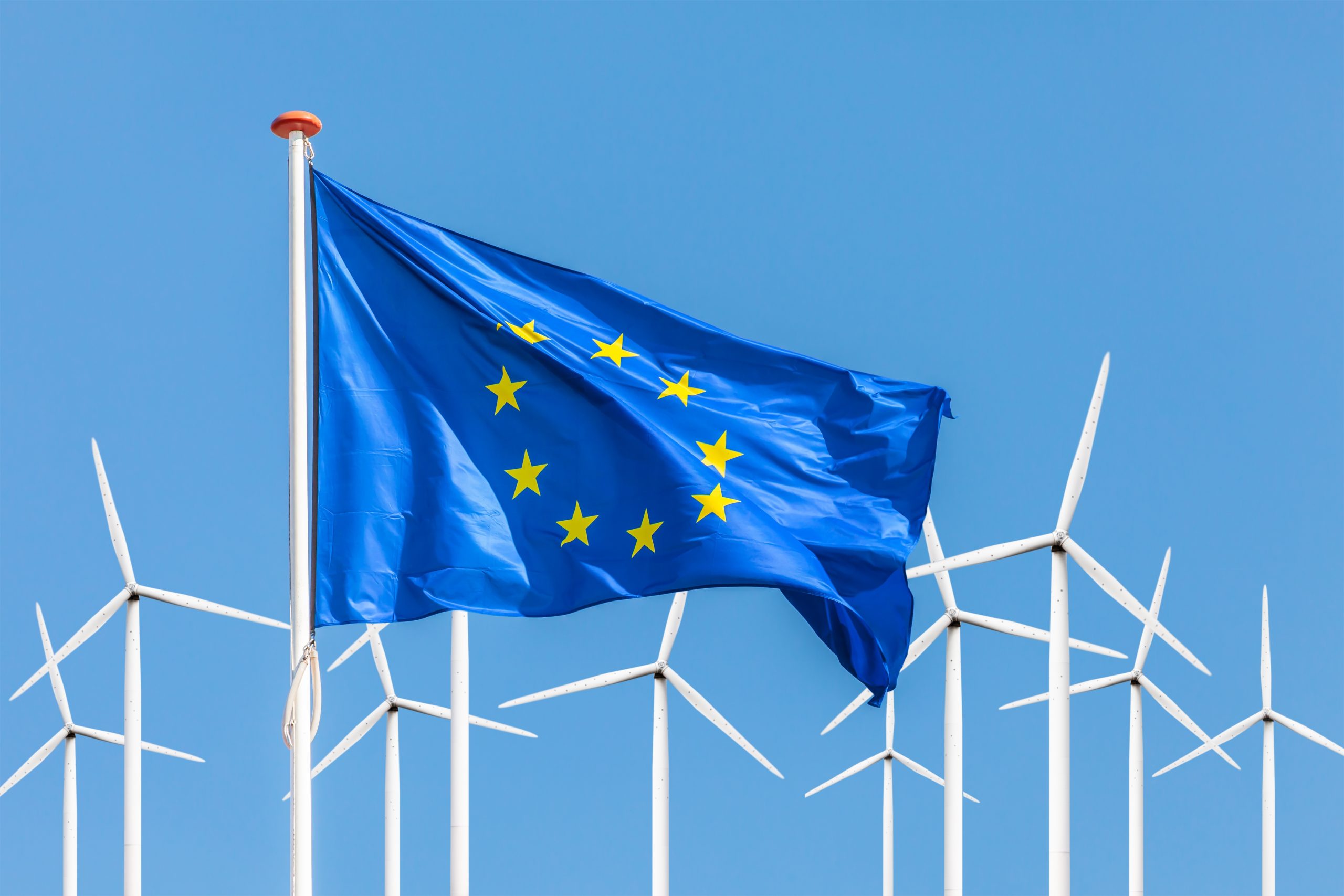

PARIS—Environmental and climate concerns appear to be in retreat worldwide. The word sustainability has become politically charged, the Trump administration openly mocks corporate ESG (environmental, social, governance) criteria, and many companies are shelving their net-zero-emissions pledges.
But look beneath the surface, and you will see something else. Though the political and cultural backlash against “sustainability” is real, so is the global economic transition toward cleaner energy technologies and electrification.
After all, the work of establishing corporate sustainability standards has continued. A growing number of jurisdictions are adopting the International Sustainability Standards Board’s disclosure framework, and in Europe, the European Sustainability Reporting Standards remain in force. Despite their differences, such initiatives are converging into a single global architecture.
This convergence is driven not only by complementary regulations, but also by the world’s largest pools of capital. Pension funds, sovereign wealth funds, insurance balance sheets, and development-finance institutions are increasingly bound by net-zero commitments, taxonomy-aligned reporting, and transition-risk frameworks.
This is no passing trend. We are witnessing a fundamental repricing, one that is being applied gradually through fiduciary and prudential decisions. Companies that can produce credible carbon-reduction strategies are recognized as investable assets, and often can borrow on more attractive financing terms. Those that cannot run the risk of being priced accordingly.
Such signals are unlikely to change. The COVID-19 pandemic and the wars in Ukraine and now Iran have reframed the issue of sustainability, which is now as much about sovereignty and economic security as it is about the planet. Reducing dependencies on fossil fuels is the most direct route to energy security, just as shorter supply chains build industrial resilience and circular material flows ensure strategic autonomy. Captains of industry and national-security strategists are increasingly reading from the same playbook.
Of course, the West has been slow to come to this realization, whereas China made a deliberate strategic choice years ago to become the world’s leading sustainable power. China now manufactures roughly 80% of the world’s solar panels, dominates battery supply chains, and is rapidly scaling up green hydrogen, offshore wind, and electric mobility technologies. Clean technology is the global economy’s competitive frontier, and China intends to own it.
European and American manufacturers face a formidable, state-backed competitor; but the global energy transition is, by definition, an undertaking of enormous scale. The question is not whether that story will be written, but how many leading authors it will have.
Europe is well positioned here. It boasts deep industrial expertise, world-class engineering institutions, a sophisticated financial system, and—crucially—the world’s most developed regulatory framework for creating sustainable products and mobilizing sustainable capital.
The European Green Deal, the Corporate Sustainability Reporting Directive, and the digital product passport are more than compliance regimes; they are the necessary infrastructure for building a sustainable industrial economy. Europe is the world’s most demanding market. Any manufacturer that meets European standards holds a de facto credential that should be recognized anywhere.
Europe can treat this architecture as a defensive perimeter, or it can deploy it as an open platform. The latter path—working with Japan, South Korea, Canada, and willing emerging economies to build interoperable standards and share technical capacities—would position Europe as the convening authority of a genuinely global sustainable economy. That is a role worth playing.
But the global industrial transformation that is currently underway is not a matter of policy debate. It is part of a historical sequence. European industry has managed new quality-certification processes in the 1990s, sustainability ratings in the 2010s, and a steep tightening of product-level regulation through 2025. Now comes the fourth act, with the rollout of digital product passports, taxonomy-aligned financing, and carbon accounting in procurement. The recent political backlash has not—and cannot—reverse this trend.
Three implications follow for policymakers, industrial leaders, and financial institutions. First, manufacturers should be supported through the transition, not shielded from it. Europe needs a coordinated effort to help midsize industrial companies—the backbone of European employment and innovation—build digital and reporting capabilities, combining national development banks such as Bpifrance, KfW, and Cassa Depositi e Prestiti with private capital and mentoring programs. Subsidies that merely delay progress are not the answer.
Second, Europe’s digital product passport should be treated as shared infrastructure, not as a compliance burden. The mechanisms for issuing, verifying, and exchanging product data across global supply chains will be for the new industrial economy what payment messaging networks are for finance. Europe can be a constructive standard-setter, but only if it works with its trading partners, not against them.
Third, European trade diplomacy should align with this regulatory architecture. Rather than treat environmental standards as bargaining chips, Europe should recognize equivalent frameworks where they exist and invite partners to converge on shared methodologies. The legitimacy of European standards rests precisely on their non-discriminatory character.
The companies that will define industrial competitiveness a decade from now are already completing their fourth act: ensuring digital traceability, adopting carbon accounting, aligning with taxonomy criteria, and turning compliance into a commercial advantage. They are emerging across France, Germany, Italy, the Netherlands, the United Kingdom, Japan, South Korea, and other partner economies.
Sustainability and competitiveness are not competing priorities. They are the same project, viewed from two angles. Recognizing that this convergence is not a passing fashion but a structural shift is essential to implement the economic and financial policies that are best suited to the frontier ahead.
About the Authors:
Bruno Bouygues is CEO of GYS, an industrial group specializing in welding equipment, battery chargers, and automotive body repair systems, with operations in 132 countries.
Bertrand Badré is a former managing director and CFO of the World Bank, is Chair of the Project Syndicate Advisory Board, Founder and Managing Partner of Blue like an Orange Sustainable Capital, and the author of Can Finance Save the World? (Berrett-Koehler, 2018).